
Food waste is still one of the biggest problems we face when it comes to climate change.
While many local councils have started tackling this issue from the top down, community composting has quietly grown from the ground up, driven by people who simply care. For years, the ShareWaste app helped make that possible. It was a free platform that connected more than 110,000 people with food scraps to neighbours who were composting at home or through community gardens across Australia.
According to the In the Cove website, ShareWaste officially announced it would close at the end of 2024… Since then, there’s been a noticeable gap. But there’s good news. A new platform called Peels has stepped in to continue that mission, giving people another way to keep food waste out of landfills and support each other at the same time. This article explores how Peels is picking up where ShareWaste left off, and why that matters more than ever.
The Legacy of ShareWaste
For many people who cared about reducing waste in their neighbourhoods, ShareWaste wasn’t just another app. It became part of their routine. The platform started in Sydney back in 2016 and was created by Eli Bramborova and Tomas Brambora. Their idea was simple: let people with food scraps connect with nearby composters. This could be someone with a worm farm in their backyard, a café collecting organic waste, or even a local community garden.
Over the years, the ShareWaste app grew and gained trust. More than 110,000 people joined the platform, many of them across Australia. It became especially popular in cities like Melbourne, where composting and zero-waste lifestyles were already gaining momentum. What made ShareWaste special wasn’t just the composting itself. It brought together people who shared similar values and helped them take climate action in small, local ways.
When ShareWaste officially shut down, those who used it regularly felt a huge loss. Food scraps were going back into the bin, and although plenty of people were willing to compost, the connection between them was gone.
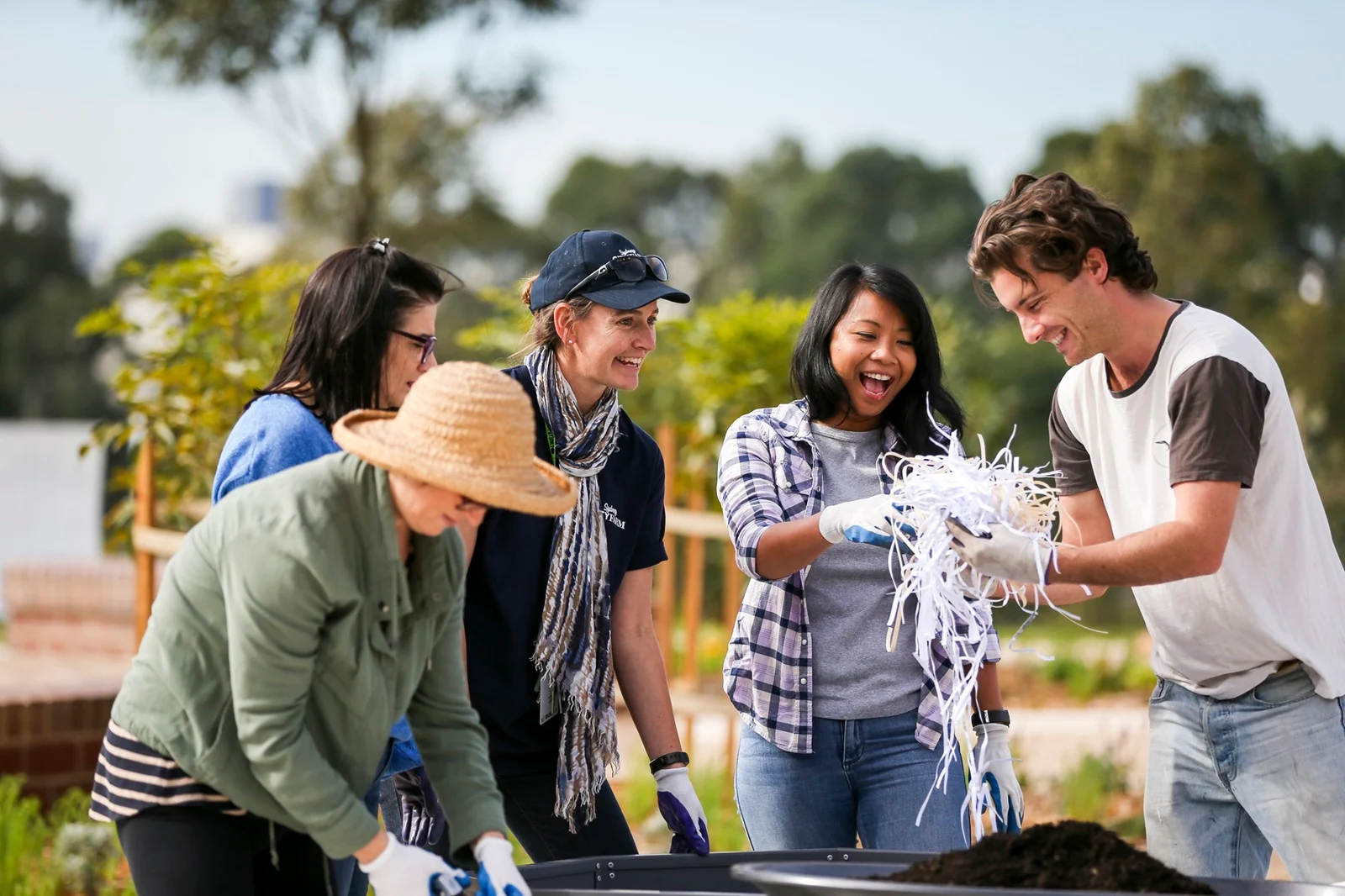
Volunteers participating in composting activities at Sydney City Farm, exemplifying community-driven sustainability efforts.
(Image source: City of Sydney – Sydney City Farm)
Introducing Peels: The New Platform
After the closure of ShareWaste, many people were left wondering how they could continue their food scrap donations without a reliable platform. That’s where Peels comes in. Built with the same community-first mindset, Peels is a new, free, and non-commercial platform designed to reconnect people who have organic waste with those who want to compost it.
The project is led by Danny White, a product designer with experience at major companies like Airbnb, Kickstarter, Facebook, and ChatGPT. But more importantly, he’s someone who understands grassroots sustainability. According to Peels official website, Danny helped launch the composting program at Pocket City Farms in Sydney, which laid the groundwork for the ideas behind Peels.
Peels works by helping individuals find composting hosts nearby, much like how ShareWaste used to operate. Users can sign up and choose to either receive scraps as a host or offer their waste to someone who composts as a donor. It’s designed to be intuitive and safe, and the platform puts strong emphasis on privacy and user comfort.
Peels may be new, but it carries the spirit of ShareWaste forward. It makes composting accessible, local, and powered by community again.
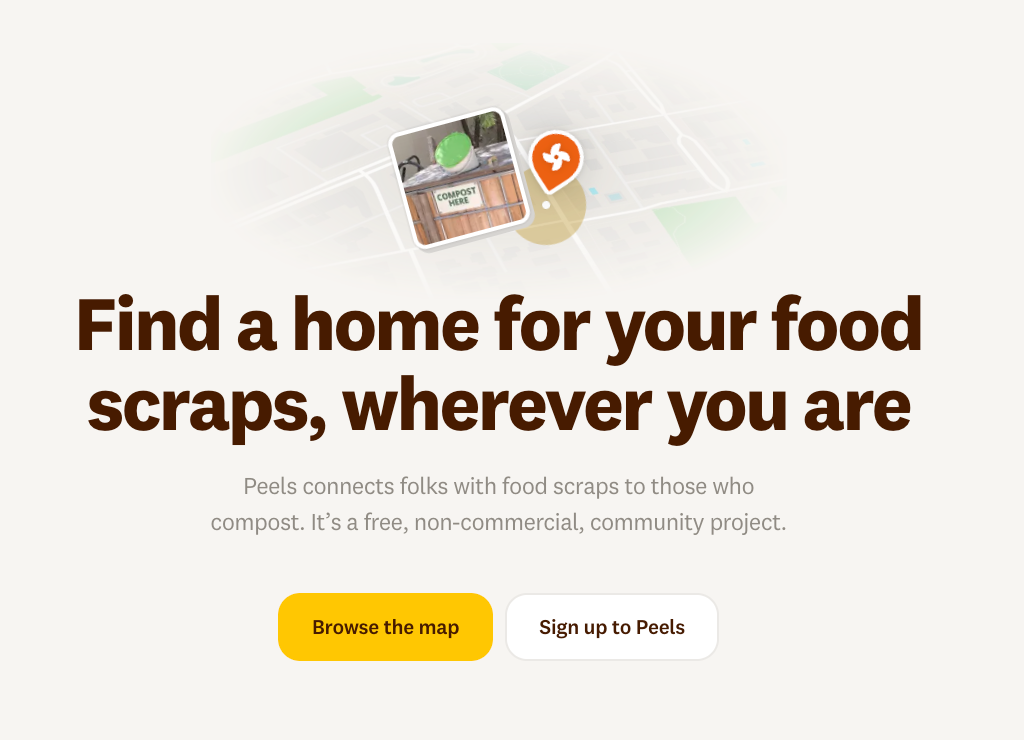
Homepage of Peels, a free platform connecting people with food scraps to local composting hosts across Australia.
(Image source: Peels.app)
Why We Support Peels at Responsible Cafes
What makes Peels stand out to us at Responsible Cafes is that it’s not just a smart tool. It’s a genuine, community-driven solution. The platform is completely free and built around the idea of people helping each other reduce waste in the places it matters most, especially at home. Whether you have food scraps with nowhere to put them, or you’re someone who already composts and is happy to receive more, Peels helps you find like-minded neighbours nearby.
After a quick sign-up, users can register as a donor or a host. Donors can search for drop-off points close to them, while hosts can describe what kinds of scraps they accept and how often.
Most hosts leave helpful notes like “I compost weekly” or “No citrus please,” so expectations are clear from the start.
One thing we really appreciate is Peels’ focus on privacy. Users can sign up with a nickname, and the location pin can be slightly blurred to avoid showing the exact address. This helps people feel safer while still making it easy to connect locally.
Peels is more than just a food waste solution. In New South Wales, it also helps fill a new gap. Since the NSW government has banned certified home compostable packaging from being placed in council FOGO bins, Peels gives people a real alternative to compost these items with someone nearby who accepts them.
At the moment, Peels is only operating in Australia. But if more people start using and sharing it, we believe it has the potential to grow into something truly powerful for our communities.
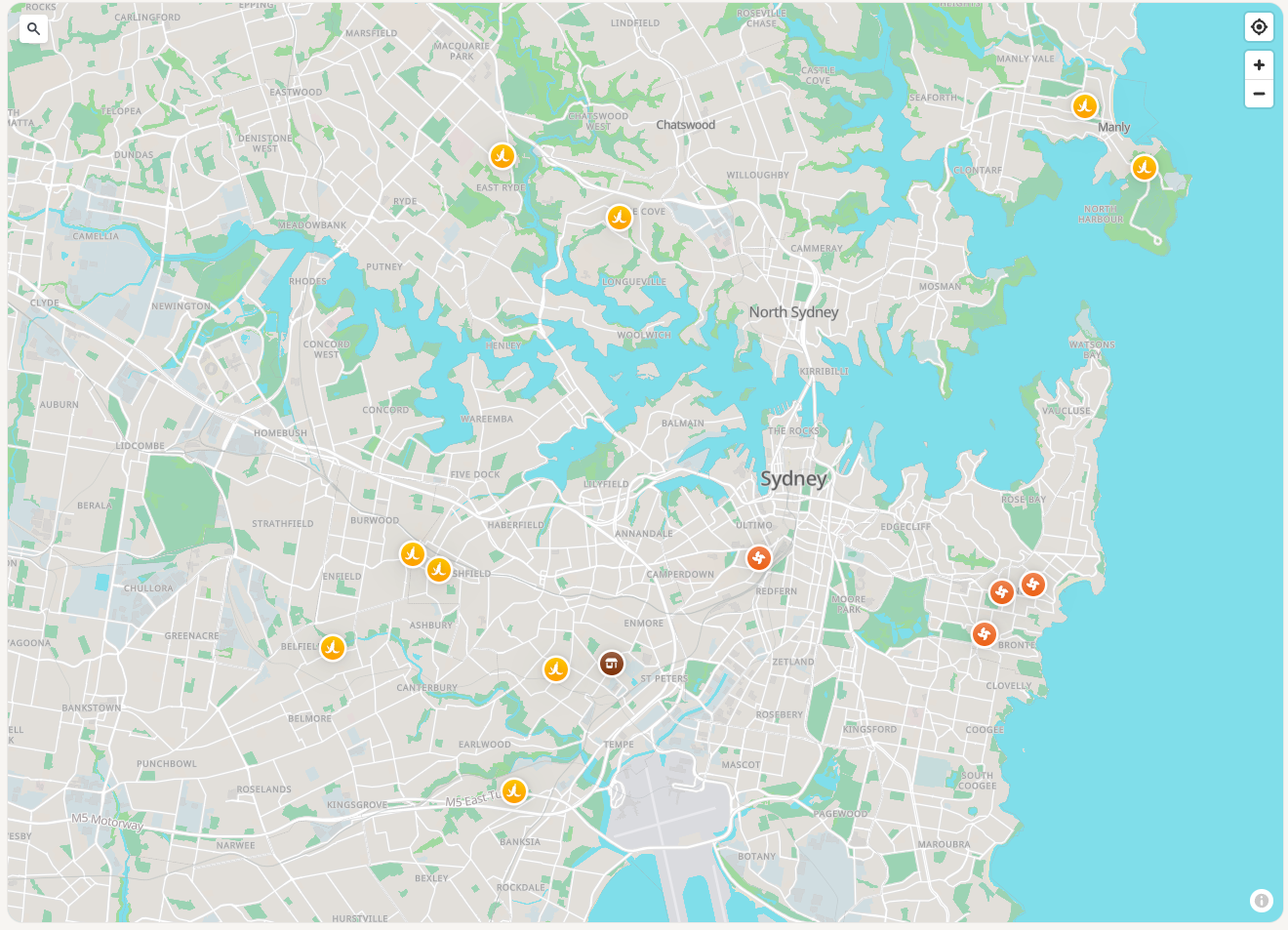
A Peels app user map in Sydney, showing composting hosts and donors across various suburbs. The map feature helps people connect locally to share and collect food scraps for composting.
(Image source: Peels.app)
The Importance of Community Composting
Composting isn’t just about managing food scraps. It’s also one of the most effective ways to reduce emissions and slow climate change.
According to Project Drawdown, reducing food waste is one of the top climate solutions available today. When organic waste ends up in a landfill, it releases methane, which is a greenhouse gas significantly more potent than carbon dioxide in the short term. By composting instead, we keep that carbon in the soil and out of the atmosphere.
But the benefits aren’t just global. Composting brings real improvements to local communities as well. It enriches garden soil, supports urban farms, and helps people feel more connected to the journey of their food and waste. It can also reduce pressure on landfills and help councils lower waste management costs.
Programs like FOGO are starting to roll out in some areas, but not everyone has access yet. That’s where platforms like Peels come in. They give people a way to act right now. There’s no need to wait for council bins or new systems. Just neighbours working together to turn waste into something useful.
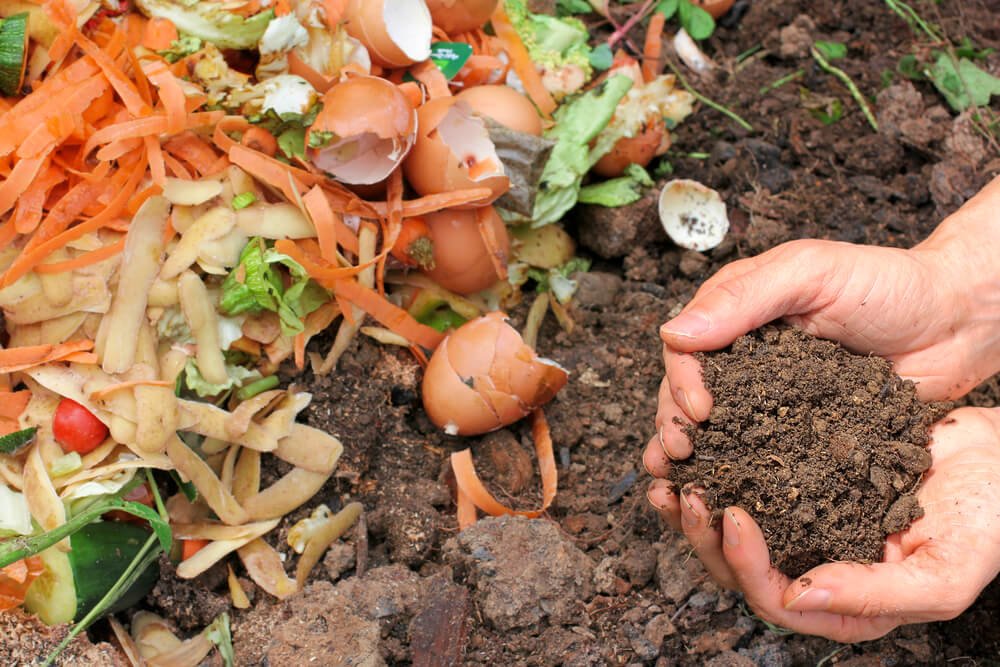
A compost pile with food scraps and soil, illustrating the process of turning organic waste into nutrient-rich compost.
(Image source: Love Food Hate Waste NZ – Composting 101)
Getting Involved with Peels
If you’re looking for a simple way to take part in community composting, Peels makes it easy to get started. Just head to peels.app, sign up, and choose whether you’d like to be a donor or a host. You’ll be matched with others in your area who are also trying to keep food waste out of landfill.
Whether you have a balcony compost bin or just want your scraps to go somewhere useful, every little action helps. By joining Peels, you’re not just dealing with waste. You’re building a more connected, sustainable neighbourhood.
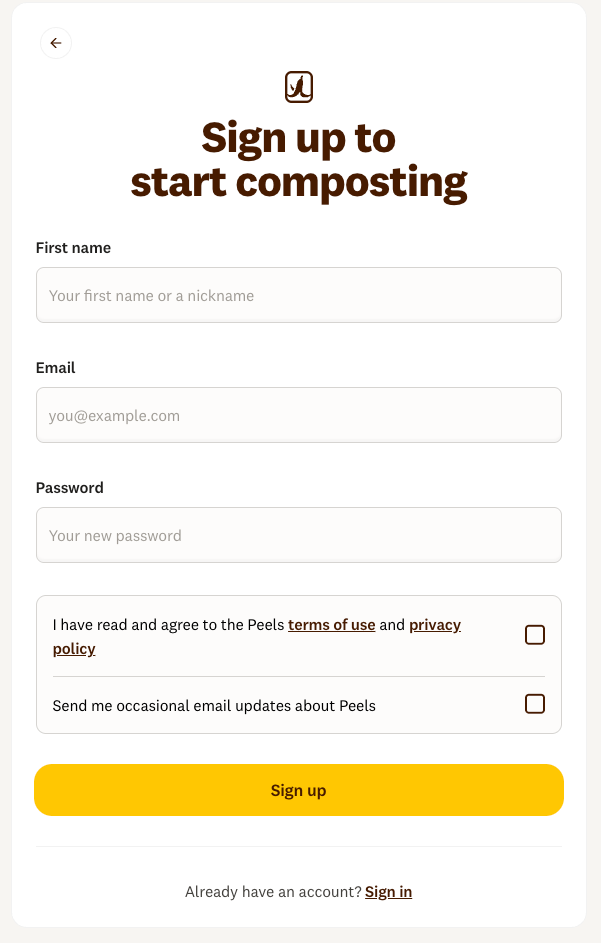
The Peels sign-up page, where users can create a profile to join as a compost donor or host. The form prioritises simplicity and privacy, encouraging more people to get involved in community composting.
(Image source: Peels.app)
Pasha is a volunteer content writer at Responsible Cafes that cares deeply about sustainability and the environment.