

Every year, Australians use 1.8 billion single-use hot beverage cups. We want to change that, and it starts with a simple choice: the right reusable cup. But with so many different cups available, which cost anywhere from nothing up to $60, it can be hard to know which one to choose. We want to help you find a cup that best suits your favourite beverage and your lifestyle. Keep reading for things you could consider when choosing a reusable cup.
1. the size of your preferred drink
Reusable cups come in several different sizes. Consider buying one which is the same size as your preferred drink. If your cup matches the size of your favourite hot beverage, baristas can pour the correct coffee-to-milk ratio without guesswork.
2. the cup’s height
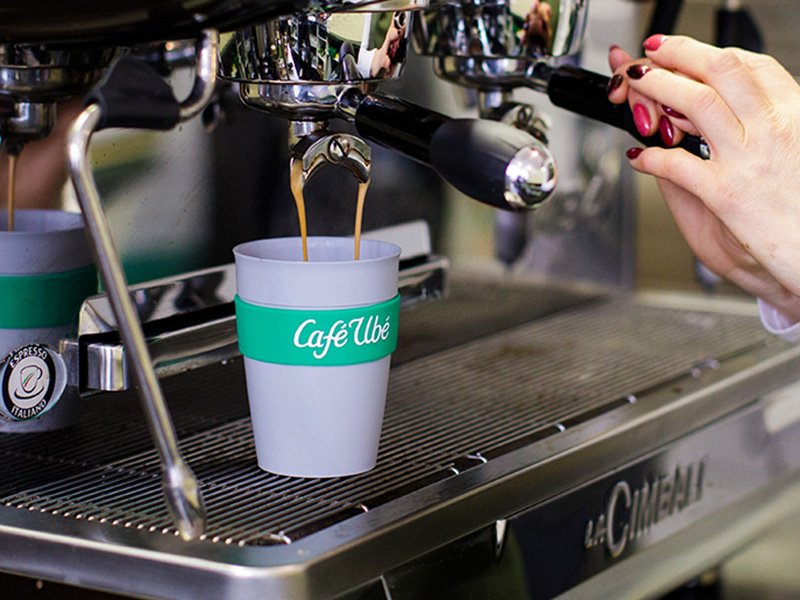
Tall reusable cups may pose problems for some coffee machines. The cup must be able to fit comfortably under the machine’s head to allow for direct pouring of espresso shots. This prevents the need for transferring coffee, which can affect crema and temperature.
3. insulation
Some cups keep hot drinks warmer than others. Check how the cup insulates, such as double walling, to ensure the cup keeps your drink warm, and its exterior doesn’t heat up and burn the barista or yourself.
4. portability
Your perfect cup should fit seamlessly into your life. Do you drink your hot beverage on public transport or in your car or while walking? Thinking about how and where you’ll use your cup will help you choose one that’s just right for you.
5. lid and seal design
Check the lid and seal design before deciding on your reusable cup. A cup that leaks, even slightly, is a dealbreaker particularly for anyone who commutes with their cup in a bag. Also, the design of the sip hole can impact on your drinking experience.
6. performance reviews
Check reviews of reusable cups, like those published by Choice, Australia’s leading consumer advocacy organisation. Choice, provides reviews of popular reusable cups based on how long they keep their heat and ease of use such as opening and closing the cup.
7. personalisation
You can make a bold statement with the colour or style of your reusable cup. Some brands even allow you to add personalised text. Other reusable cups might have the name of your local cafe on them, so buying these cups is a fantastic way to support them.
8. stackable
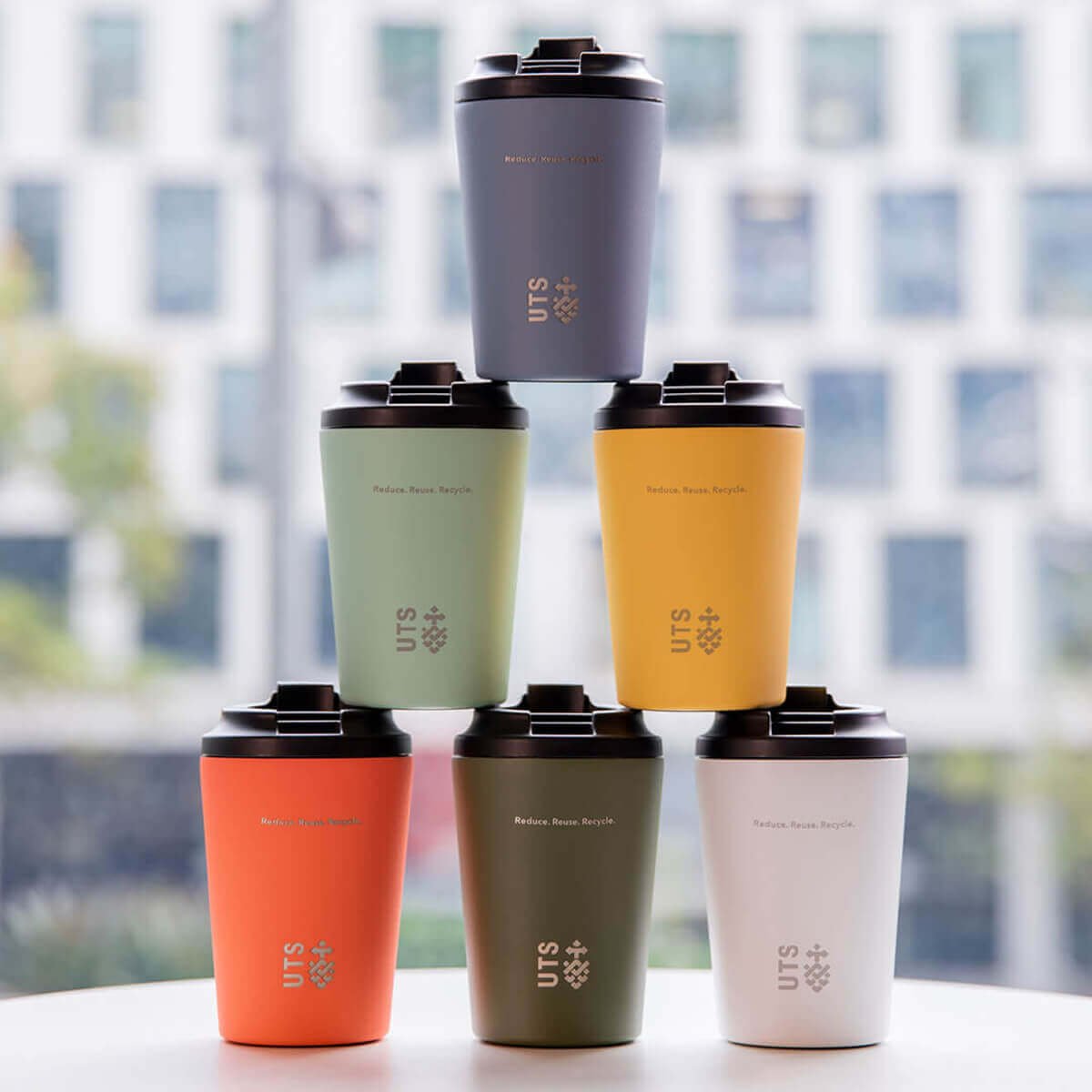
Do you have limited space for storing your reusable cups at home or work? If so, choose a cup which is designed to be easily stacked in a pile to save valuable storage space.
9. Chemical-free
Some cups can release harmful chemicals when heated, which can be bad for your health. To avoid this, choose cups that are certified as food safe. Always check that plastic-based cups are BPA-free as these chemicals can be released into your drink.
10. inert Material
When you’ve paid for a great coffee, you don’t want your cup to ruin it. Some cups may impart flavours into your hot beverage so if you want to avoid this opt for a cup made from an inert material (e.g. ceramic or glass).
11. Durability
Choose a reusable cup which is going to last for years. Cups need to be robust enough to handle daily use, cleaning, and accidental knocks without chipping or breaking easily.
12. warranty
A good warranty is a sign of a quality, long-lasting product. For more expensive cups, check what’s covered in the warranty because it can be a great way to protect your investment.
13. spare parts
Lids and seals probably won’t last forever. Choosing a cup with replaceable parts (which are sensibly priced) means you can fix it instead of buying a whole new one, extending your cup’s life and reducing waste.
14. dishwasher safe
You may be more likely to use your reusable cup if it’s easy to clean. When buying a cup, check if it’s dishwasher safe. This includes both the lid and the bottom.
15. break-even point
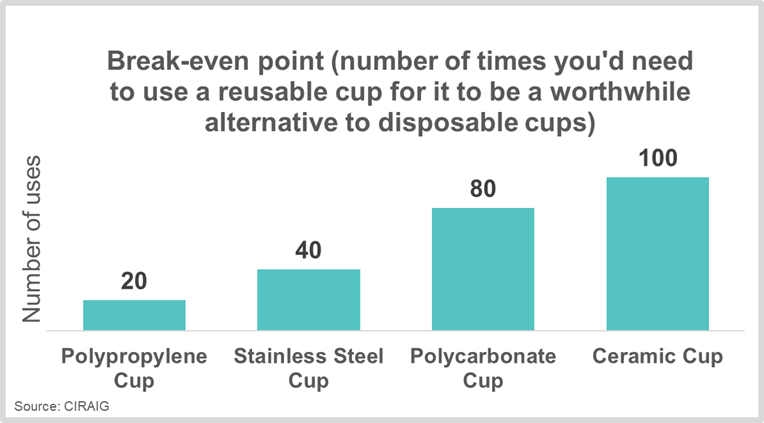
Reusable cups have a break-even point, which is how many times you’d have to use your cup for it to become equally energy-efficient to the production of a disposable cup. A 2014 study by CIRAIG found that to be considered a worthwhile alternative to disposable cups, polypropylene cups need to be used 20 times, stainless steel cups 40 times, polycarbonate cups 80 times and ceramic cups 100 times (Note: the CIRAIG report is in French, but this article contains the key results translated in English).
16. b corp or certified social enterprise brand
Consider choosing a reusable coffee cup from a brand with B Corp certification, which means the company meets high standards of social and environmental performance, accountability and transparency. Alternatively, you can opt for one made by a certified social enterprise, which exist to make the world a better place.
17. locally made
Check where the reusable cup is made before you buy it. Buying a locally made cup supports Australian-based companies and reduces transportation-related emissions.

Image: Good Reusables
Image: Grounded Goods
18. secondhand
Choosing a secondhand reusable cup can be more sustainable as it reduces the resources needed to create new ones. Op shops often have brand new reusable cups, which have never been used.
19. DIY cup
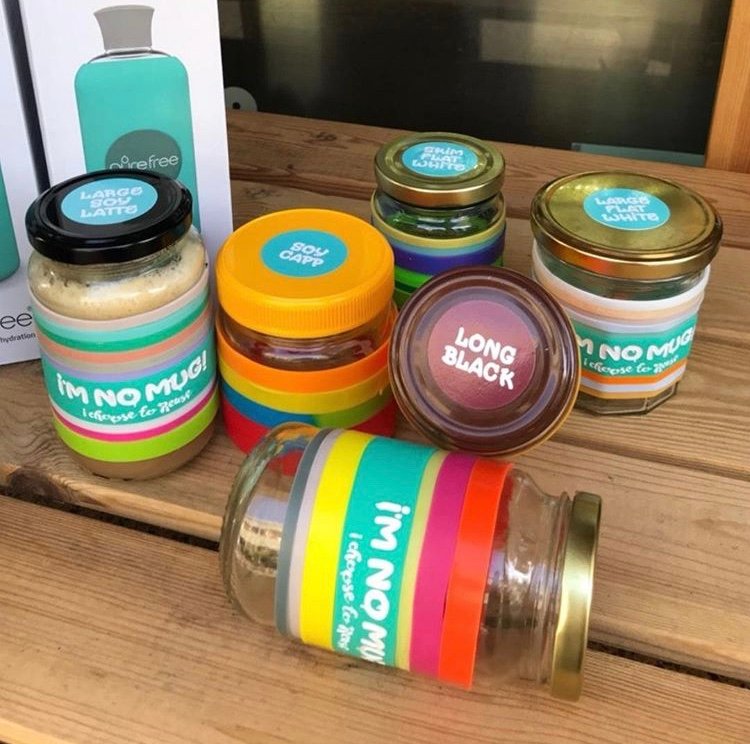
Consider using a cup you already own, like an old jam jar. When using a DIY cup, you could add a few silicon bands to the jar to prevent burning. Responsible Cafes sells DIY Jar Wars Kits to help you get started.
20. payment feature
Want to pay for your hot drink using your reusable cup? Some cups can now do this! These cups have a tap to pay feature, whereby you can use your cup to pay for your hot beverage.
We hope this guide helps you find the perfect reusable cup for you. Remember, the most sustainable cup is the one you will actually use for years to come. By using a reusable cup, you are participating in the circular economy by keeping materials in use and reducing waste associated with single-use alternatives.
Dani is a Freelance Writer and Researcher. She specialises in telling engaging stories using research and data. She has a strong interest in purpose-led organisations like Responsible Cafes, which deliver positive outcomes for the environment and the community.