
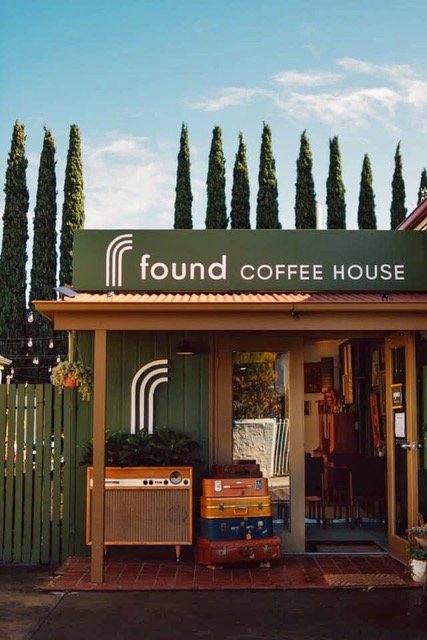
A Q&A with Adriel Booker from Found Coffee House
We’ve all seen the data showing why disposable coffee cups are a major source of avoidable waste, but cafes making the switch to only using reusable cups are still making a bold move that requires careful planning.
Cafés can reduce or completely avoid using single-use cups by encouraging customers to BYO reusables, providing drink stations for dine-in drinks, using mug libraries or signing up to a reusable cup swap system. The key is figuring out what will work best for your café and knowing how to implement and manage the change, from logistics through to staff training.
Instead of listening to me (a writer who has never worked in a café), we found out how one cafe owner intentionally launched her business without disposable cups. In the following Q and A, Adriel Booker of Found Coffee House shared how they successfully run a single-use free café using a reusable cup swap system.
This real-world experience may just be what is needed to inspire you to make a bold change for your café.
Responsible Cafes interview with Adriel Booker, Co-Owner and Creative Director, of Found Coffee House
Ngarrindjeri Country, Victor Harbor, South Australia
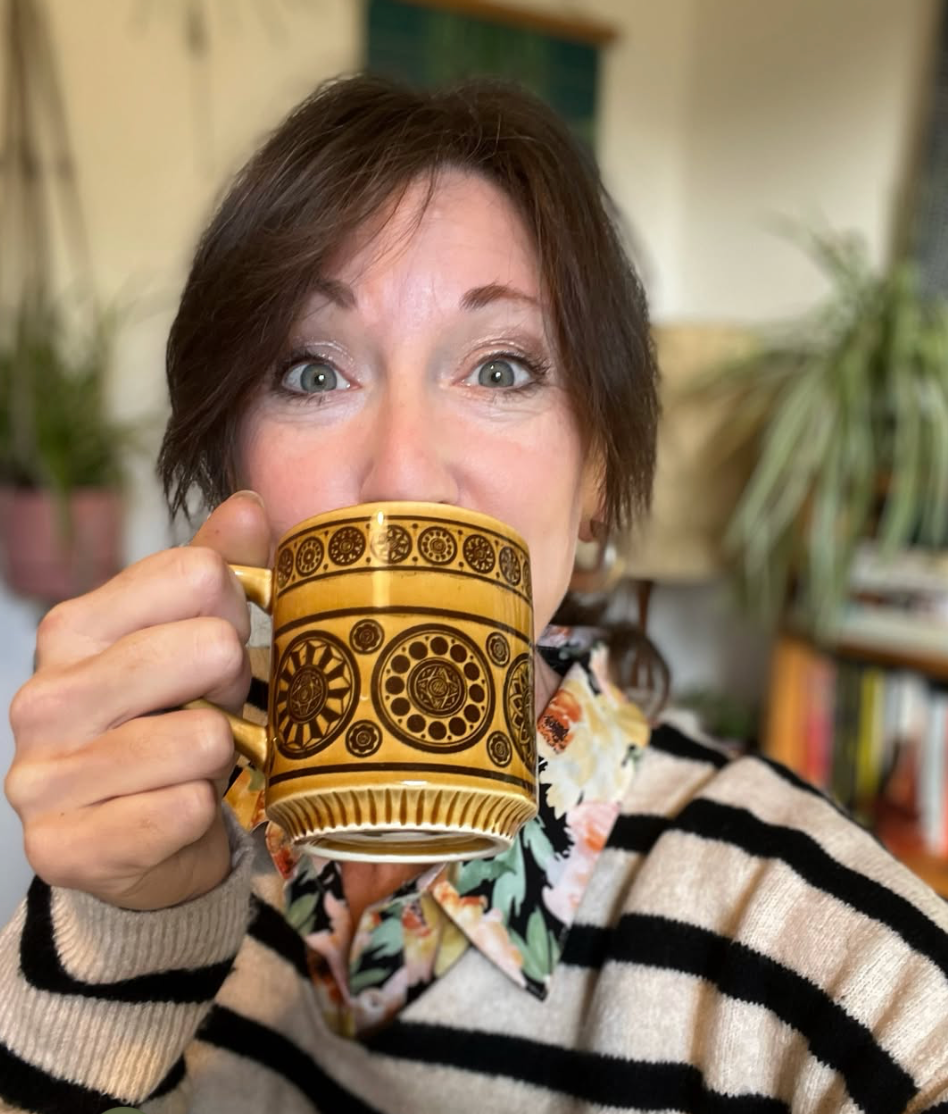
What sustainable practices do you have in your cafe?
We are single-use plastic free in our customer-facing spaces and keep paper waste to an absolute minimum. We don’t offer single-use takeaway cups, straws, napkins, takeaway containers, or individually wrapped sugar, sweetener, or spice sachets. We do still use a small amount of single-use plastic behind the scenes in the kitchen, including food wrap, freezer bags, and bin liners, but we’re always looking for ways to reduce those as well.
For takeaway food orders, we reuse the boxes our cakes are delivered in, along with the small cardboard boxes our apples and tomatoes arrive in. Many of our local customers save these for us and drop them back at the café. We also make our takeaway cup trays from clean plant-based milk cartons.
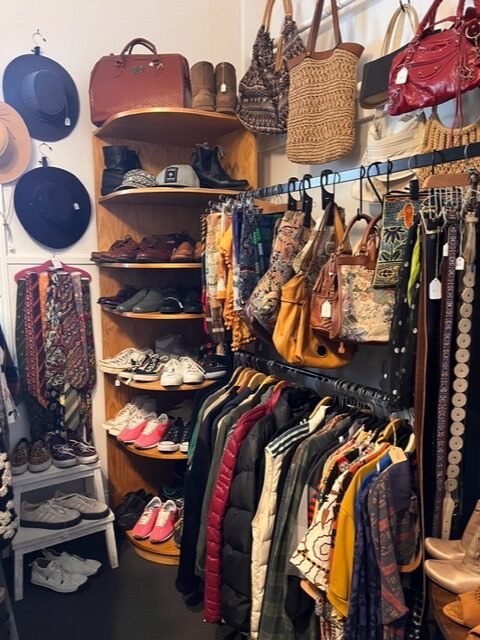
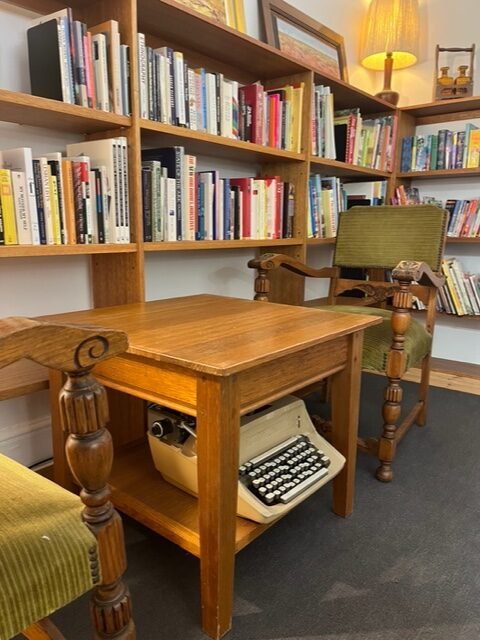
We’re also a vintage shop, so supporting the circular economy is woven into everything we do. We champion slow fashion, use reusable or recycled bags for retail purchases (local customers donate these when their shopping bag stashes get full), and we consistently encourage people to shop small and second-hand through our online social media messaging. We also do everything we can to promote neighbourliness and the sharing economy through things like quarterly swap events and our free community swap library built entirely from donated books.
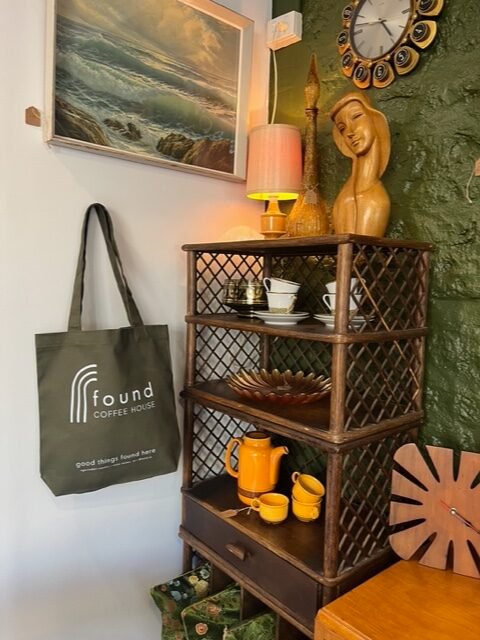
Sustainability also shaped our initial café fit-out. Wherever possible, we sourced second-hand furniture and equipment, upcycled old cabinetry to custom make our service counter, incorporated recycled timber and tiles, and even planted our gardens using cuttings donated by members of our community.
In terms of energy, all of our appliances are electric so we can maximise the benefit of our rooftop solar system. One of our longer-term goals is to replace our gas hot water heaters with heat pump systems as our budget allows.
By far the most unusual thing we do is not offer disposable takeaway cups. Instead, we use the Good Cup borrow-and-return system for takeaway coffees.
Credit: Found Coffee House
Your café avoids single-use cups by using the Good Cup borrow system. How is it working for your café and your customers?
The Good Cup system has worked really well for us. From a café perspective, it’s incredibly simple. We purchase the cups for $3 each and pass that cost directly on to the customer. If someone would like a takeaway coffee in a borrow cup, we add $3 to the transaction. When they return the cup, we refund the full $3. We don’t make money from the cups, and the customer doesn’t lose money either—it’s simply a refundable deposit.
We do pay a small monthly administration fee to be part of the Good Reusables network, which helps support the system, but the cup exchange itself is cost-neutral. Customers can return their cup to any participating café and receive their refund there, which makes the system really convenient. The cups are dishwasher safe, so they simply go through our normal wash cycle alongside our regular crockery.
There are plenty of other benefits, too. The cups are made in Australia, BPA free, and part of a closed-loop recycling system. If one eventually wears out, we simply return it to Good Reusables and it is replaced and responsibly recycled at no cost to us.
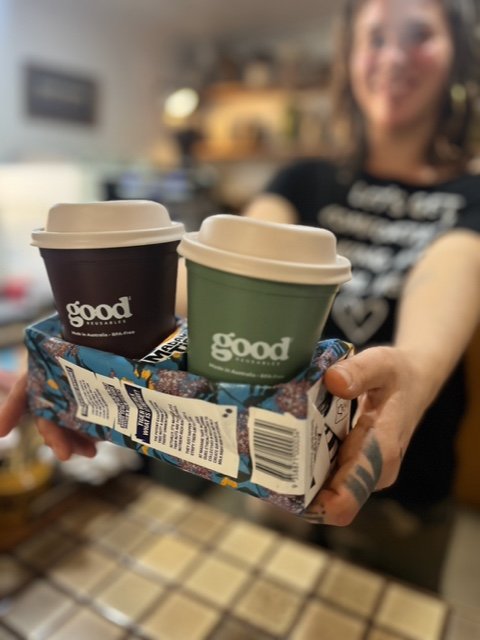
Credit: Found Coffee House
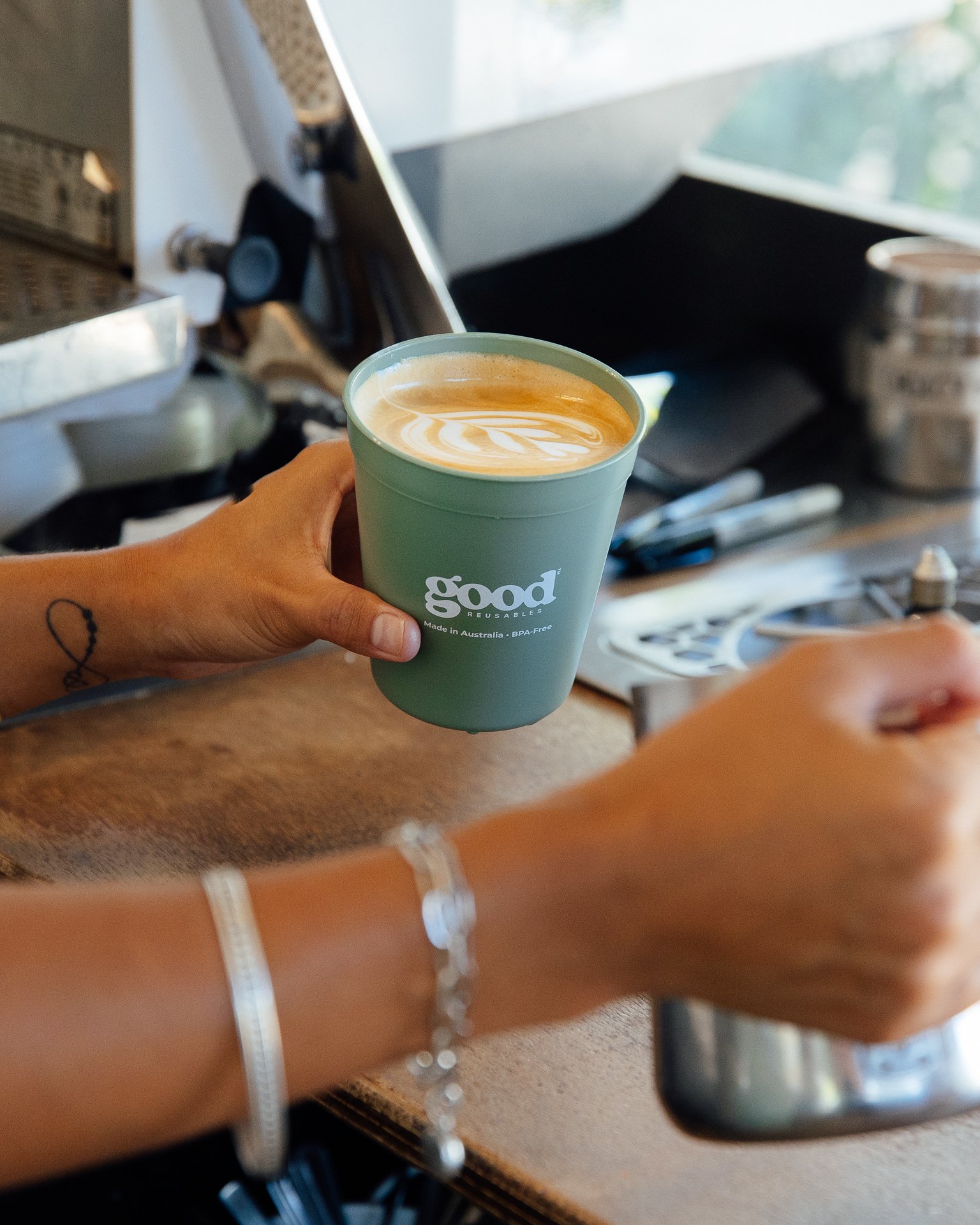
Credit: Good Reusables
Do you have any tips for introducing it to new customers? What do you love about this swap system?
We keep our script very simple.
Customer: “Can I please have a takeaway coffee?”
Staff: “Absolutely! We’re a single-use cup free café, but we do offer these borrow cups if you don’t have your own travel cup.” (Holding up a Good Cup.) “They’re $3 to buy or borrow, and if you return it we’ll refund your $3. Does that work for you, or would you like to enjoy your coffee here instead?”
Quite often, customers decide to stay and have their coffee in the café. We love that outcome because Found was intentionally built around a “sip and savour” philosophy rather than “grab and go.” If they still want takeaway, our staff naturally explain the rest of the system in their own words.
They might say something like: “You can return it anytime. Don’t worry if it’s been sitting in your car—we wash every cup anyway. You can also return it to any participating café if that’s more convenient. Or if you decide to keep it, it’s dishwasher safe, and if it ever starts looking a bit tired, just bring it back and we’ll swap it for a new one. You can keep it as long as you’d like.”
Many customers respond with genuine enthusiasm and say things like, “What a great idea!”
Of course, some people simply want the convenience of a disposable cup and decide not to order. When that happens, we’re happy to recommend another nearby café that offers what they’re looking for. We never want people to feel judged or shamed for their choices. We’d much rather leave them with a positive impression of our café, even if they choose to buy their coffee elsewhere.
When did you first implement these sustainable practices?
While we were still writing our business plan, we identified the three core values of Found as Creativity, Community, and Sustainability. We committed to filtering every business decision through those values. When we opened in April 2025, we decided to start the way we intended to continue, rather than trying to introduce sustainable practices later. Everything has been part of the café from day one.
Going completely single-use cup free felt like the biggest risk, particularly because we’re in a tourist town with lots of visitors passing through. We even have a scenic tourist train across the street that tourists often only ride one direction (so we know it may be inconvenient for them to return cups to us). But we decided it was a values-based decision worth making.
We can’t change people’s habits overnight, but we can gently invite them into something different, one conversation at a time. Other sustainable practices we have implemented have felt lower-risk (such as cloth napkins, recycle takeaway containers, etc.) and so were an even easier ‘yes’ for us.
How did customers respond to your sustainable practices?
Most people either really love what we’re doing or are simply neutral. The only area where we encounter any real resistance is our decision not to offer disposable takeaway cups, and we always knew some people would embrace that while others would find it frustrating.
Every now and then we meet someone who is visibly irritated because they simply want what they’re used to. But the overwhelming majority of our customers understand what we’re trying to achieve and appreciate that we’re doing something different.
Many of our regulars now bring their own travel cups. Some even bring a favourite mug from work if they’ve ducked out on a break, while others simply keep reusing their Good Cup borrow cup. One of our favourite moments from last week was when interstate visitors loved the system so much that they asked us for brochures to take home and share with their own local café—they hoped to make the case to them to switch over. Hopefully we can continue to inspire a few more businesses to give it a go.
We really love that you use cloth napkins. How do customers respond to those?
People absolutely love them. One of the comments we hear most often is, “Oh wow, a cloth napkin!” It reminds people of visiting their grandmother’s house or stepping back into a simpler time. I think that’s because, in our disposable culture, something as ordinary as a cloth napkin suddenly feels special. It slows people down and communicates that they’re welcome to linger. Of course, it creates extra washing and folding for us every week, but we genuinely think it’s worth it. We already use cloth napkins around our own family dinner table, so bringing that same sense of hospitality into the café felt like a natural extension of who we are.
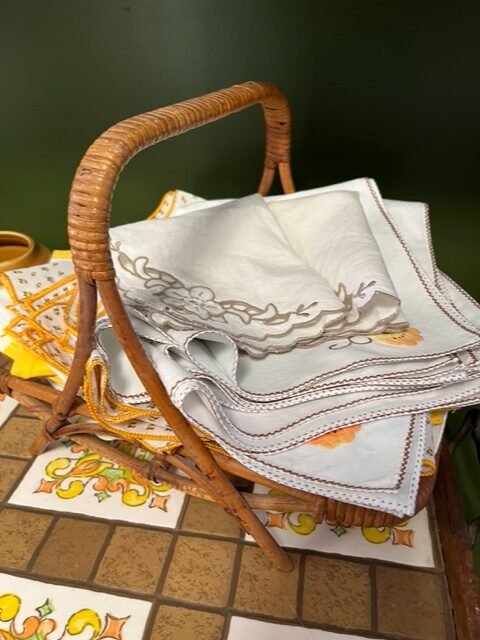
Credit: Found Coffee House
What has been the biggest challenge you’ve had to overcome with being a single-use cup free café?
The biggest challenge was simply making the decision to do it. We always knew we’d use cloth napkins, metal straws, and reusable shopping bags, but eliminating disposable takeaway cups altogether felt like a much bigger step. Almost everyone around us—including experienced café owners—told us not to do it. The advice was always the same: “You’ll lose business. It’s not worth it.” In the end, we chose to make a values-based decision rather than a fear-based one. Once we made that commitment, we never looked back. We know we aren’t going to change the world on our own. But we can influence the little corner of the world we’ve been entrusted with. For us, that’s enough.
Found Coffee House
- Found Coffee House full sustainable initiatives are available on the Responsible Cafes map.
- Address: 10 Railway Terrace, Victor Harbor SA 5211
- Website: https://www.foundcoffeehouse.com
- Opening days: Sunday to Thursday, check timing on their Instagram
- Lowlight jazz nights every Thursday 7-9pm
Dani is a Freelance Writer and Researcher. She specialises in telling stories using research and data. She has a strong interest in purpose-led organisations like Responsible Cafes, which deliver positive outcomes for the environment and the community.