
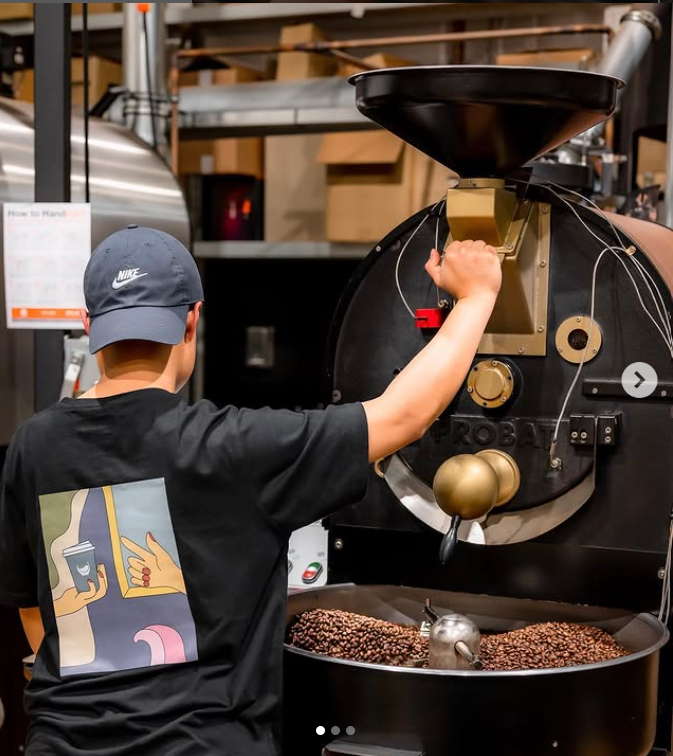
We are back again with another addition to our ‘Cafes That Are Killing It’ series! This week the focus is on Cafe Nate in NSW!
Cafe Nate is one of the newest members of the Responsible Cafes family and you have to get to know them! The best way to do that is to pay them a visit. If you find yourself near the leafy suburb of Roseville, north-west of Sydney, and you are on the hunt for a fun unpretentious vibe and delicious coffee, Cafe Nate has your back.
Their mission is to provide their customers with high quality food and drinks in a relaxed and fun environment with the idea that “what you put in is what you get out of it”.
Cafe Nate has recently become an accredited Responsible Cafe thanks to the BPP Program (Better Business Partnership). This sustainability program provides free advice and guidance to small and medium sized businesses in Ku-ring-gai, North Sydney and Willoughby City Councils on how they can improve their economic, social and environmental impact. Cafe Nate has been on their sustainability journey since day one and they deserve a great shoutout!
Cafe Nate Roseville is driven by food excellence
Their founders, Kate and Peach, two sisters from Thailand, bring their creativity and Southeast Asian influence to the table. Most of the food served is made freshly in house with local high quality ingredients that include Free Range sourced eggs and meats. As for their drinks, the offering includes cold pressed juices and in house cold brewed iced teas.

Variety of delicious servings from the Cafe Nate menu (credit Cafe Nate IG)
Coffee selection from Cafe Nate capable barista (Cafe Nate IG)

Cafe Nate is a Gold Bean Responsible Cafes
As a Gold Bean Sustainablethey focus on reducing overall energy consumption by using energy-efficient appliances, installing LED lighting, and improving insulation. They also educate their staff on energy-saving practices, such as turning off lights and equipment when not in use, and also implement practices like loading the dishwasher fully before running it to minimize water and energy waste. Cafe, Cafe Nate not only focuses on the quality of their servings, but they also keep an eye on the sustainability of their operations in a variety of ways. For example, Their low carbon score benefits from composting their coffee grounds, food waste and food service ware.
A low carbon coffee that tastes great is what we all aim for, right? Let’s find out what Cafe Nate does about their blends and how they strive to lower their carbon impact.
Cafe Nate Roseville creates their own low(er) carbon blend
Meet CN8, Cafe Nate’s very own blend! Wait … How do they do this?
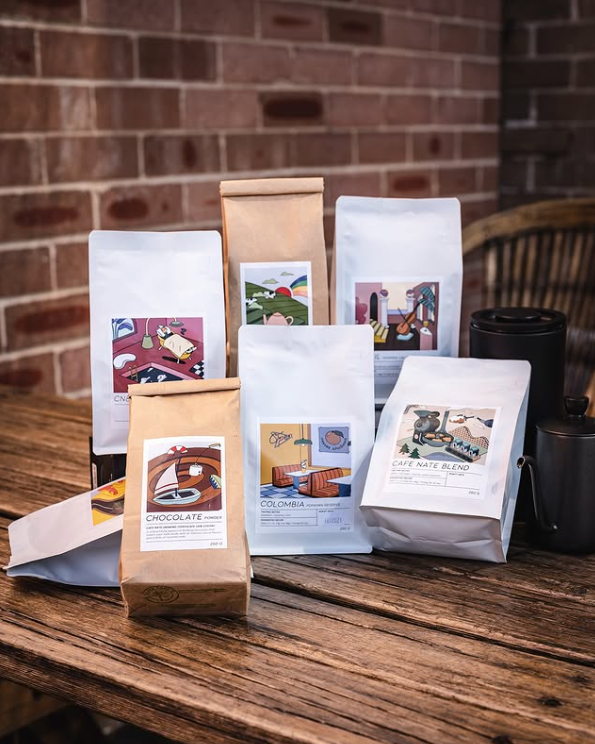
It is an alchemy of Fair Trade sourced Grade A coffee beans, a weekly trip down to the co-roasting facilities and coffee profiles knowledge. The outcome is CN8 blend, which is used in the restaurant’s coffees on a daily basis, and can be purchased for customers to take home and make their own specialities.
Coffee making is a high carbon intensive operation throughout the whole supply chain. Reduction of this impact comes from adopting more sustainable practices that can span from sourcing to processing and selling of the product.
First things first: sourcing the best beans!
Cafe Nate procure their coffee beans ethically from a Fairtrade producer. This ensures that the coffee beans producer is fairly remunerated, their work rights respected and their farming business economically sustainable year on year. This also enables Cafe Nate to choose the blend of beans that matches the coffee profile they desire.
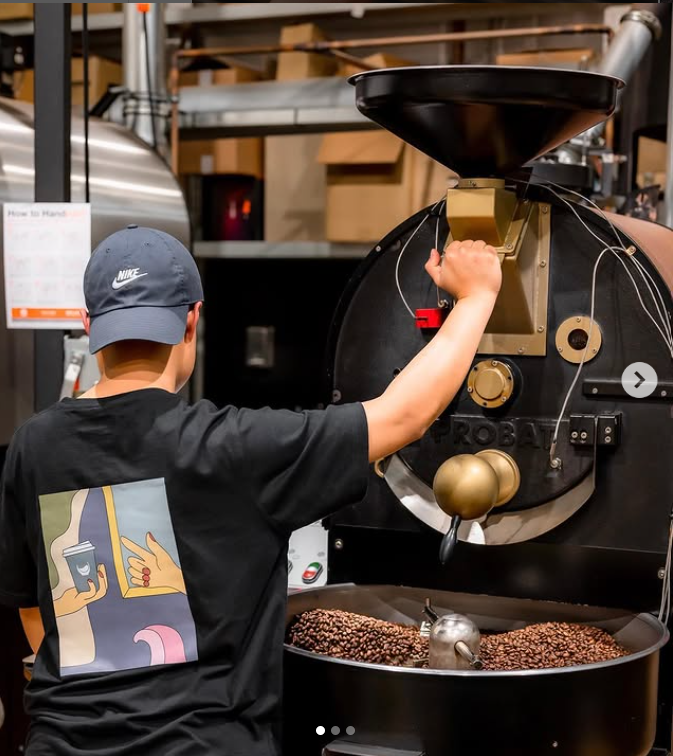
Cafe Nate passionate roasters at ECRE , their co-roasting facility (Cafe Nate IG credits)
Step 2: Cafe Nate goes roasting
The second aspect is processing of the product. There are many steps involved, but let’s focus on roasting since Cafe Nate is roasting their beans by using co-roasting facilities.
Roasting is one of the most carbon intensive parts of the coffee production process, however co-roasting offers some benefits to small businesses who want to maintain transparency over their end to end process. Sharing roasting facilities allows many small scale roasters to utilise already operational and energy efficient machinery. For example, Cafe Nate works with ECRE, who provide state of the art roasters able to function with a significant reduction of fuel in comparison to similar size machines.
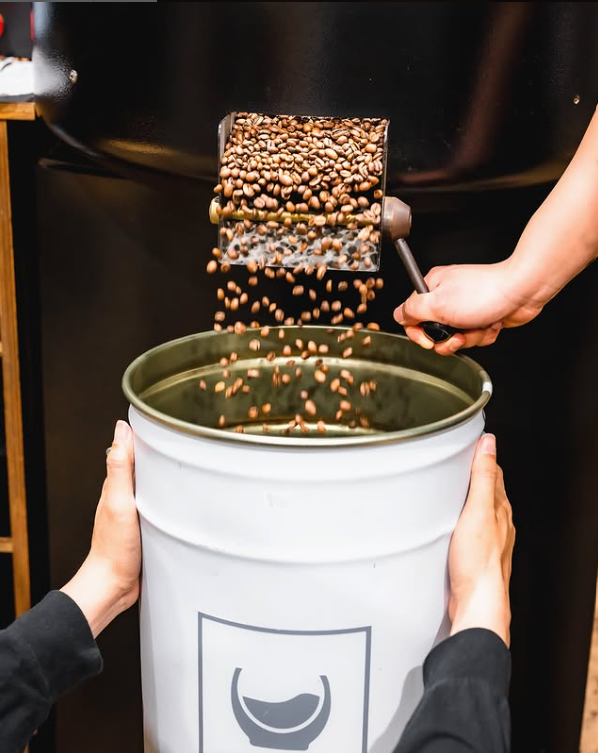
Cafe Nate also adopted an exciting storage strategy. They store their roasted coffee in 40L tin tubs, which allows them to avoid large amounts of bag waste.
Co-roasting also keeps Cafe Nate’s costs manageable, making this an economically sustainable option. Co-roasting facilities also give access to high quality roasting and packaging equipment, quality control tools and storage. Additionally, sharing roasting spaces with others allows Cafe Nate to connect with the roasters network, learn from other practices and share their own knowledge. This increases their social sustainability.


Cafe Nate reusable cups offering (credit Cafe Nate IG)
I am Valeria, a coffee lover passionate about sustainability and about introducing sustainable practices in our daily routine. Responsible Cafes is an opportunity to donate my time and skills towards waste reduction, a cause close to my heart.