
Most people and cafes buy dairy milk in plastic bottles, and some alternative milks and many juices use them too – but are plastic milk bottles recyclable?
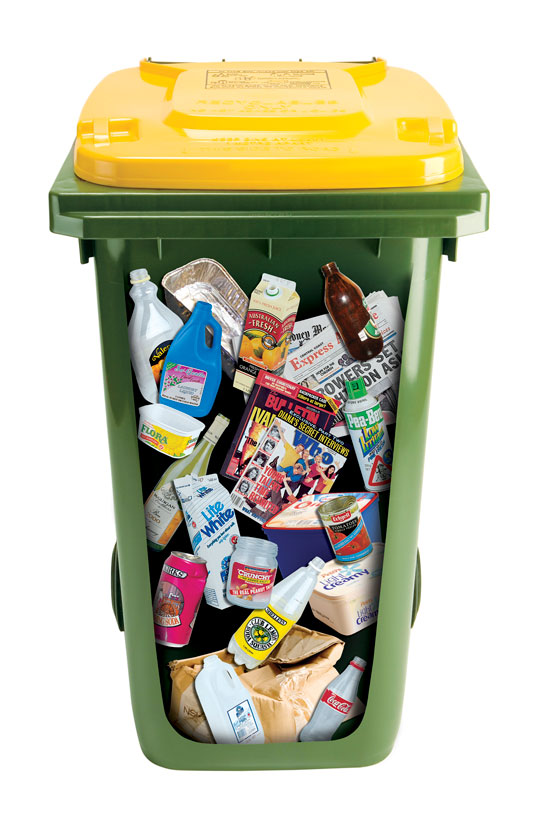
Plastic milk bottles are made from a rigid form of a plastic called HDPE, High Density Polyethelene. It is very commonly used, is generally easily recyclable, and is widely accepted in yellow recycling bins across all of Australia.
recyclable, but where?
If you look at Government funded Recycle Mate or Planet Ark’s Recycling Near You website, you can type in your addres, select your council and the type of waste you are looking to recycle, and generally if your council has a recycling bin set up, milk bottles will be accepted in the yellow bins.
However, similar to tetra paks, which we wrote about here, plastic milk bottles are only recyclable when there is certain infrastructure in place at scale and it is always best to double check this information on your Council’s website since information can be outdated very quickly in that space.
While there are many areas in Australia that are recycling plastic milk bottles, we simply do not have the infrastructure at scale to recycle all of them at the moment.

Many rural councils do not have any recycling set up at all, which is a huge concern. In rural and remote areas, Australia faces significant challenges in recycling due to logistical, economic and infrastructure constraints. A lot of regional councils struggle with the costs of transporting recyclables to processing centres, which are often located in urban areas. Long distances make collection services expensive and complicated to maintain, limiting access to consistent kerbside recycling services.
Australia has a very spread out population, so setting up processing centres in smaller towns far away from each other is difficult. This also means that rural areas generate smaller volumes of recyclable waste, making it harder to justify the investment in local recycling infrastructure. Transporting these materials over long distances to metropolitan centres also increases emissions, offsetting some of the environmental benefits of recycling.
investment in recycling
Recognising these gaps, the Australian government has allocated funding which aims to expand recycling infrastructure across regional and remote areas. Despite these efforts, progress has been gradual, and significant disparities in recycling access remain between urban and rural regions, not just for plastic bottles, but for all types of recycling.
Australia’s plastic recycling system faces more challenges than just the spread out population as well. Historically, the country relied on exporting plastic waste, but since the 2018 National Sword policy, which we wrote about here, restricted exports to China, Australia has been forced to increase and develop domestic recycling capacities much larger than was ever expected.
Plastic Milk Bottle Recycling
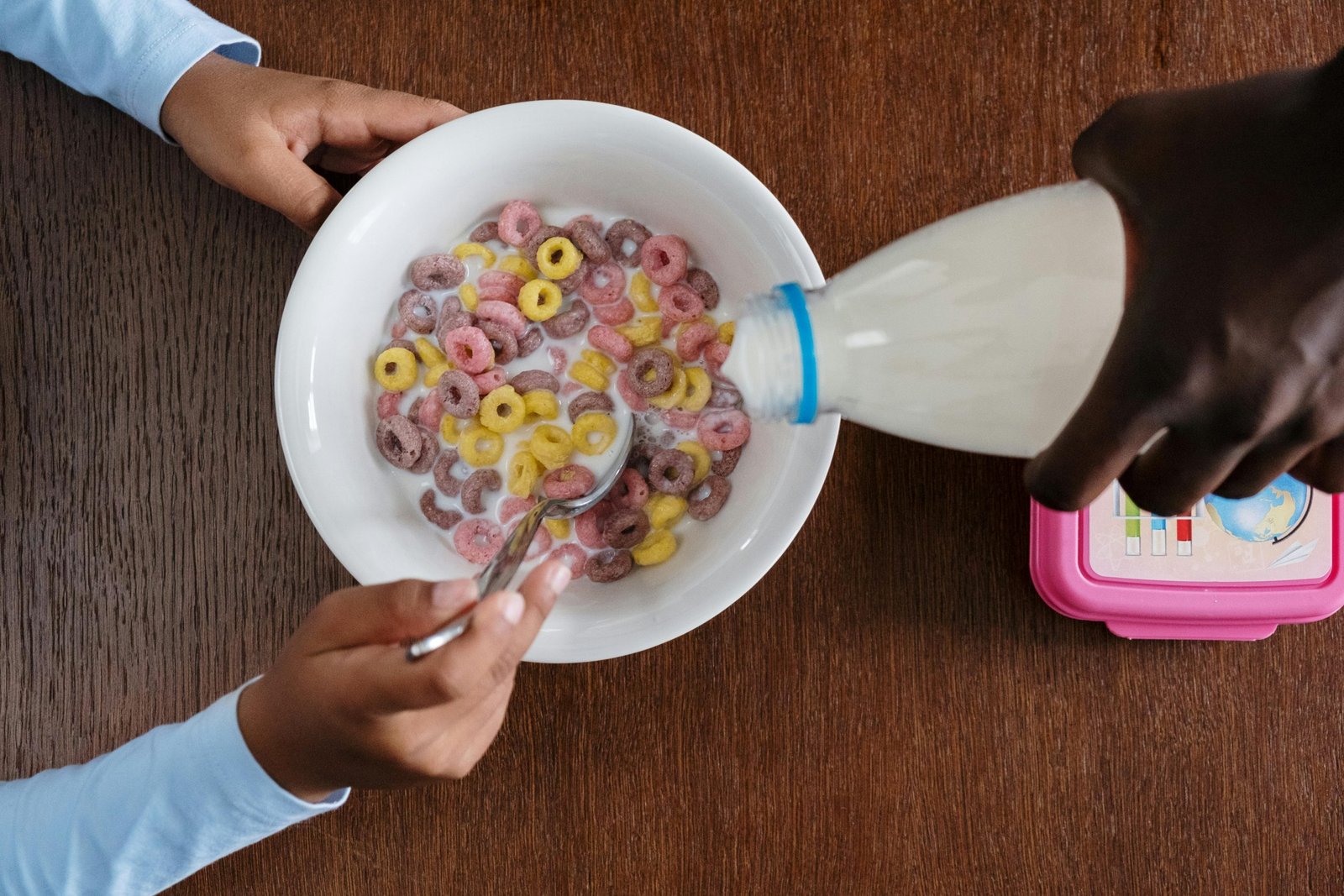
When it comes to plastic milk bottles, the bottles need to be sorted, cleaned, then ground or shredded into flakes, and melted and turned into pellets. These pellets can then be used to make new materials. Plastic is not able to be recycled over and over as it looses quality over time, but the pellets can be used to make some new materials. They get melted and moulded into other products – but those new products are made of a lower grade of plastic each time, and the demand for recycled plastic is smaller than that of virgin plastic (just like recycled cardboard and recycled paper).
Thankfully, with plastic milk bottles being made of HDPE, this is a form of plastic that can be recycled a few times and is much more widely seen as recyclable than most other forms of plastic. So when it comes to using plastic, even though any plastic is an environmental issue, HDPE is a slightly lesser evil.
We have much more plastic in this world than we know what to do with, and most manufacturers prefer to use virgin plastic, as it is cheaper to manufacture.
We also have much more plastic in the world than we can ever recycle, or will ever recycle. There is simply not enough infrastructure in place to handle all the plastic that has ever been made – and plastic is causing a lot of environmental issues globally.
we recycle only 13.9% of all plastics in australia
Unfortunately, the idea that it is okay to use plastic if it is being recycled, is in itself, not really true. According to the Australian Plastic Flows and Fates Study 2021-22 National Report, the national plastic recycling rate is an abysmal 13.9%. Which is an heartbreaking number, considering how much plastic we all use every day. Plastic use is going up every year, but the conversation about plastic often is much more focused on recovery and recycling, than on reducing the production and use of plastic in the first place.
While milk bottles are one of the better, and more recyclable, plastics – the truth remains that it is still not biodegradable, the recyclability is still limited, and it is still, at the end of the day, a single use plastic.
towards a better future
At the end of the day, we need to have more conversations about avoiding single use plastics – even the ones we are used to using every day like plastic milk bottles. Check out this blog we wrote about tetra paks, which faces similar issues, and where we cover a lot of ideas for individuals and cafes to avoiding single use materials.
milk for responsible cafes
We need to be talking about reusables, the obvious one being glass – in the recent past, reusable glass bottles were the norm for distributing milk.
At cafes, The Udder Way and The Juggler are two companies leading the way by offering reusable milk kegs or milk bladders – and at cafes that use these, customers can refill their milk containers to take home as well.
We can also look out for milk that is sold in glass, or, if your council accepts them, fresh milk cartons.

material innovations
We also need to be having more conversations about truly biodegradable and home compostable materials – hopefully with time there will be new innovations in the milk industry.
If you’re buying plastic milk bottles, look for brands that are using recycled plastic, to encourage the recycling industry; or milk that is sold in fresh milk cartons, if your council accepts them, .
Recycling shouldn’t be our first choice, however when we can’t avoid using plastic, recycling is a great back up plan.
We’re Maria and Freddi, the duo behind Sustainaroo Travels. As passionate advocates for sustainable travel, we help fellow travellers explore the world responsibly, with tips and inspiration for eco-friendly journeys. Through our blog and travel guides, we aim to make it easier for everyone to enjoy adventures that are kind to the planet and the places they visit.