

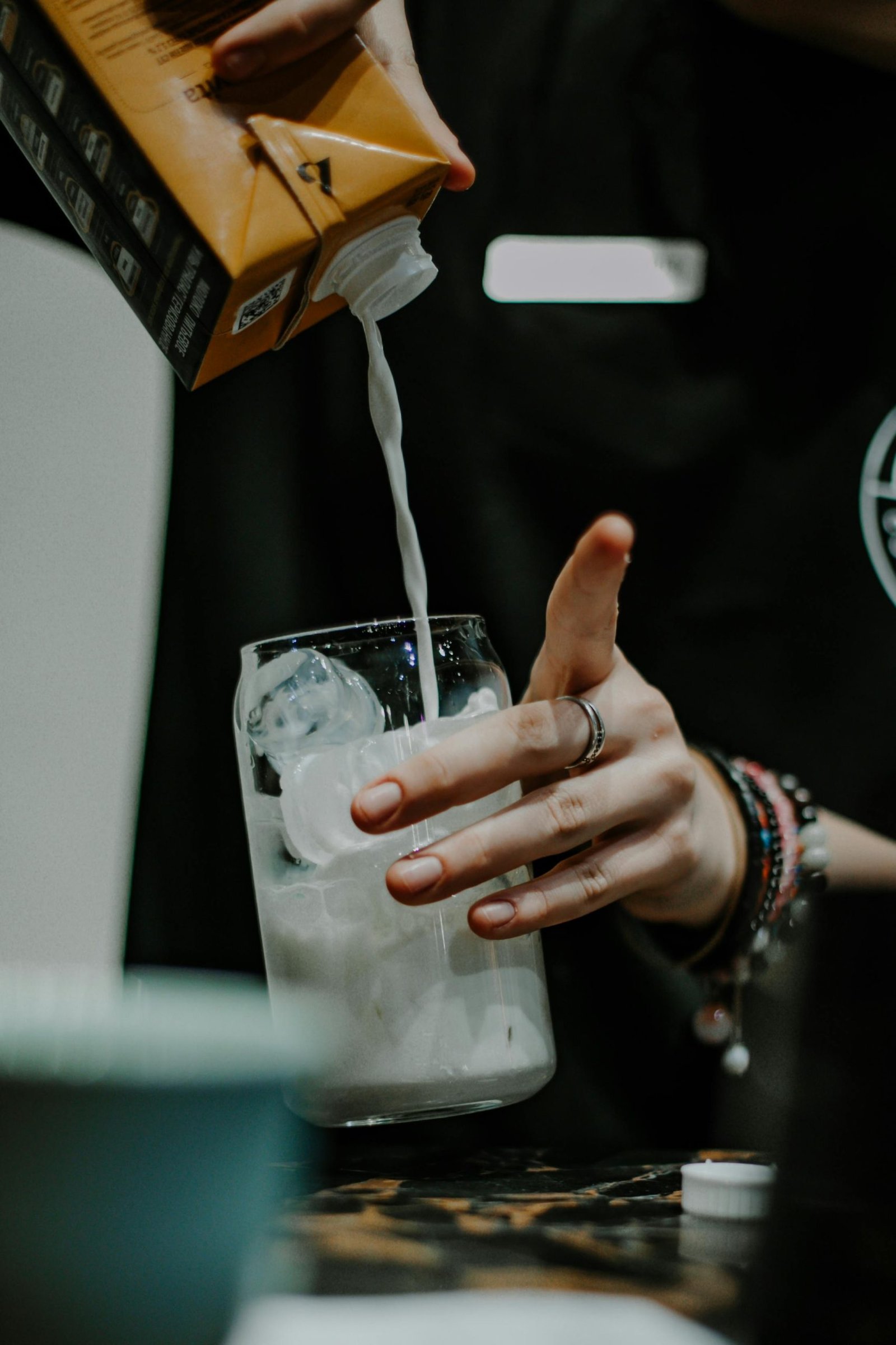
Australia has long been a champion of environmental initiatives, but one area where we have ongoing struggles is recycling and more specifically, the recycling of tetra paks – those much loved, super useful, multi-layered cartons used for beverages like milk and juice that we all use all day, every day. But can tetra paks be recycled in Australia?
Source: Pexel images
While these cartons are popular for their convenience and ability to preserve liquids, their complex structure of paper, plastic, and aluminium makes them very difficult to recycle. Despite growing awareness of the environmental impact, Australia’s recycling infrastructure hasn’t adapted to manage tetra paks effectively.
This issue has been compounded by China’s 2018 decision to stop accepting foreign waste, including recyclables, under its National Sword policy. For many years, Australia relied heavily on sending our recyclable waste to China, but with that avenue closed, our recycling systems are under increased pressure. Tetra paks, in particular, highlight the need for urgent infrastructure improvements and new approaches.
This post is brought to you by Sustainaroo Travels, a website passionate about empowering you to live, work and travel sustainably.
So join us on this sort of wacky (and kind of sad) journey, where we delve into the life of long life cartons.
What are Tetra Paks?
What most people are referring to as a tetra pak is a long life carton, usually made by a manufacturing brand called Tetra Pak.
Tetra Pak is, according to their website, the world’s leading packaging and processing solutions company, working to provide safe food worldwide. They sold 179 billion packages in 2023 worldwide.
This is important, as there are many places in the world that don’t have electricity and therefore refrigeration, and so having shelf stable items that can last a long time in a pantry is a good thing.
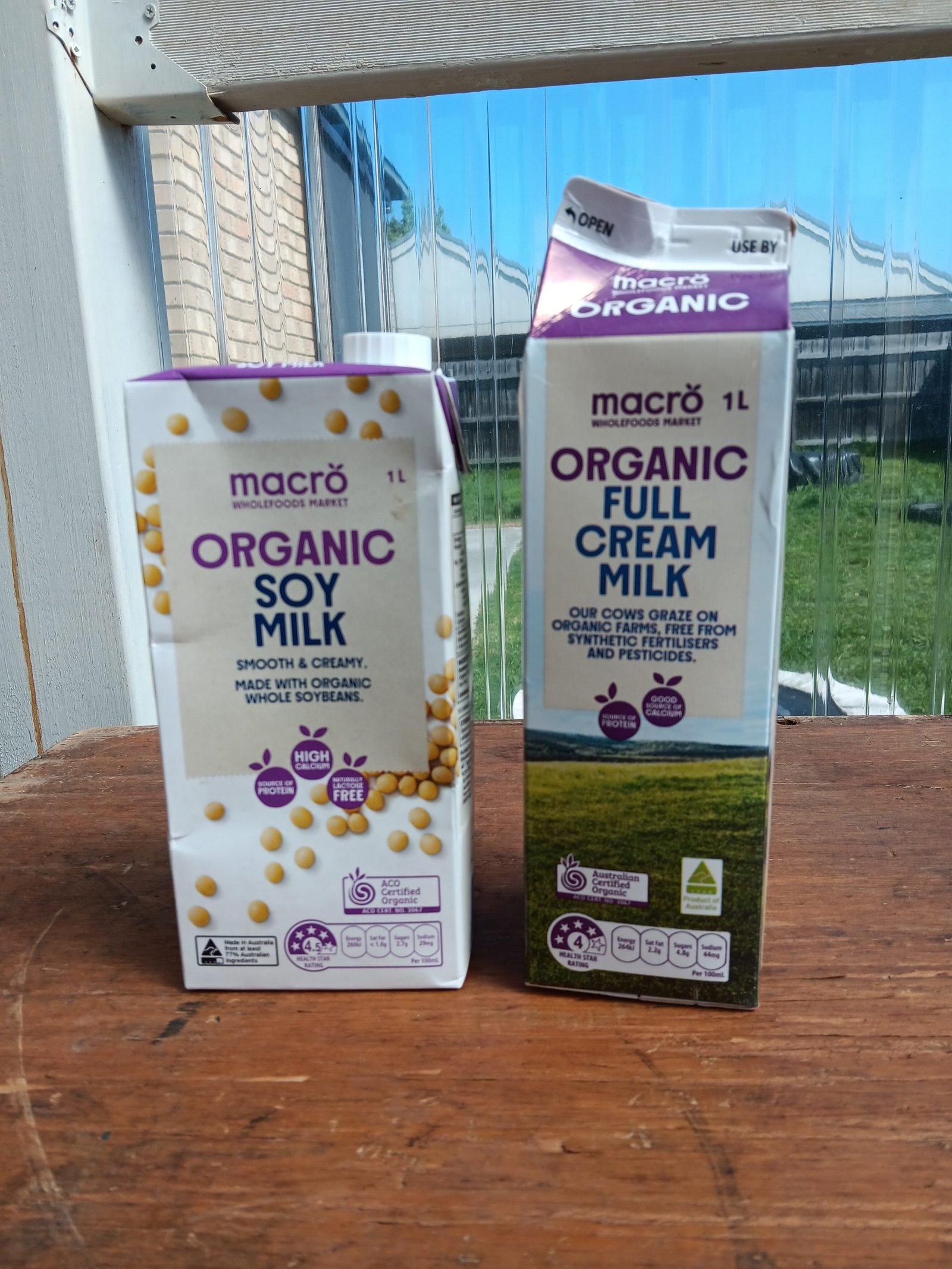
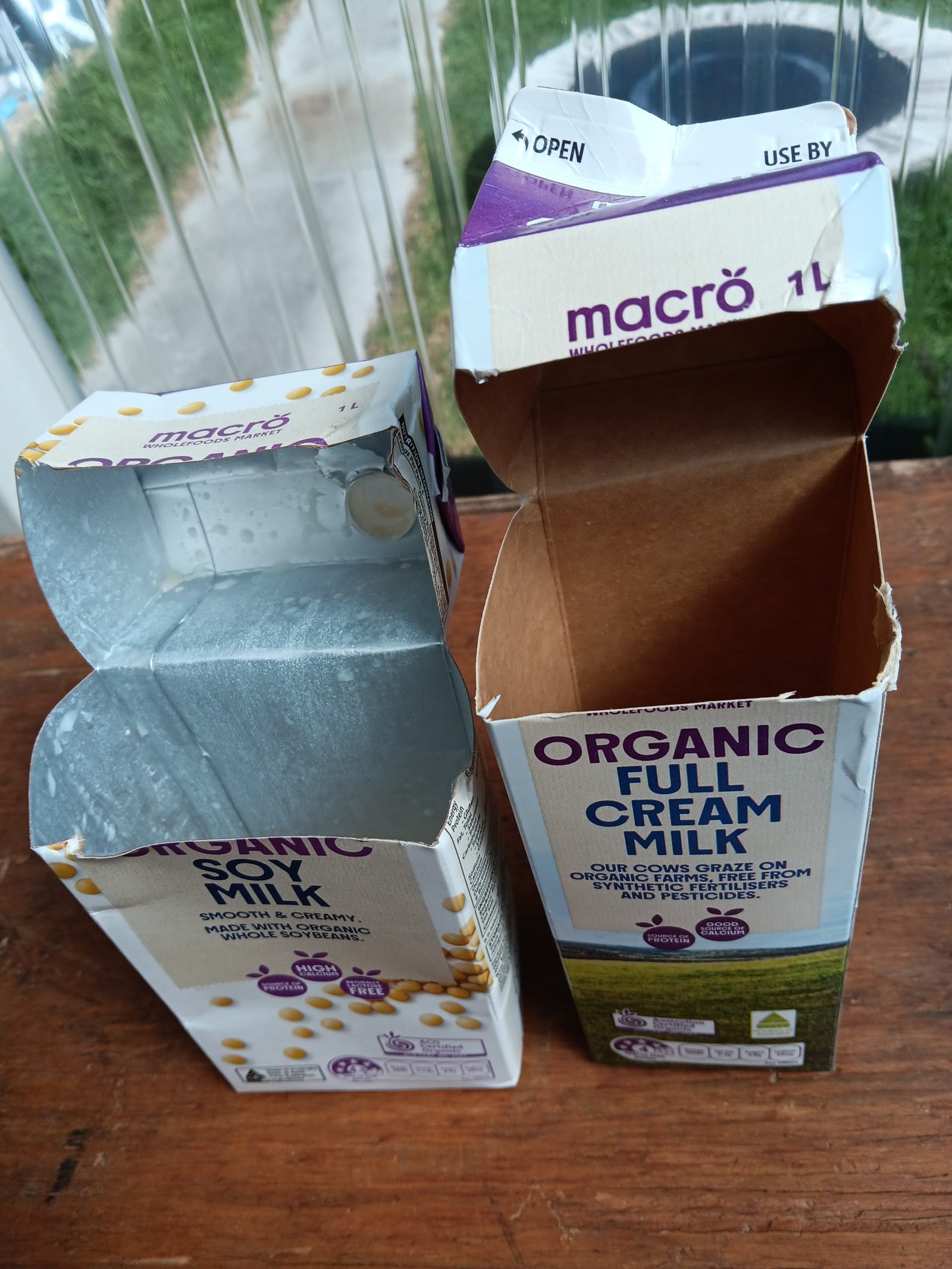
They are best known for their incredibly designed long life carton, a carton that keeps milk on the pantry shelf for years. A long life carton, commonly known as a tetra pak or UHT milk carton, is also called an aseptic brick. It is made of five layers stuck together, (from the inside) plastic-al foil-plastic-cardboard-plastic. These are shaped like a brick and are found on shelves, not in the fridge. The layers with the al foil in the middle means that the contents can be sealed inside, and kept fresh for very long periods without having to include preservatives.
The contents have been heated first, which makes sure there’s no bacteria in it, then the milk is sealed inside the carton. Another name for this process is UHT, and you sometimes hear people calling long life milk UHT milk. UHT stands for Ultra Heat Treatment, or Ultra High Temperature.
This process is similar to canning, as sealing contents inside a container stops bacteria from getting in touch with the product (which is what makes it go off). The product keeps on the shelf for years in an unopened long life carton. After it has been opened, it must be placed in the fridge and used within a few days.
The cardboard part of them is called liquid paperboard, a special cardboard used for this purpose. According to Tetra Pak’s website, the main part of the carton is made of a renewable material (cardboard), and that the manufacture and distribution of long life cartons has a lower carbon imprint than other packaging solutions like plastic and glass.
Plastic is non renewable and is made of oil, and glass is heavy and difficult to transport, to name a few issues with those. While there may be some truth to that from a manufacture and distribution point of view, we feel that these figures do not include the impact of the fact that most long life cartons ever made go to landfill – what would these figures look like if we included the mess we are making by throwing these cartons away after one use?
To be recycled, the layers would need to be separated and recycled separately, which requires a special facility and is a much more complicated process than recycling something made out of one material.
There is a new system where the whole carton is shredded and made into building materials, which is simpler and very promising – more on that below.
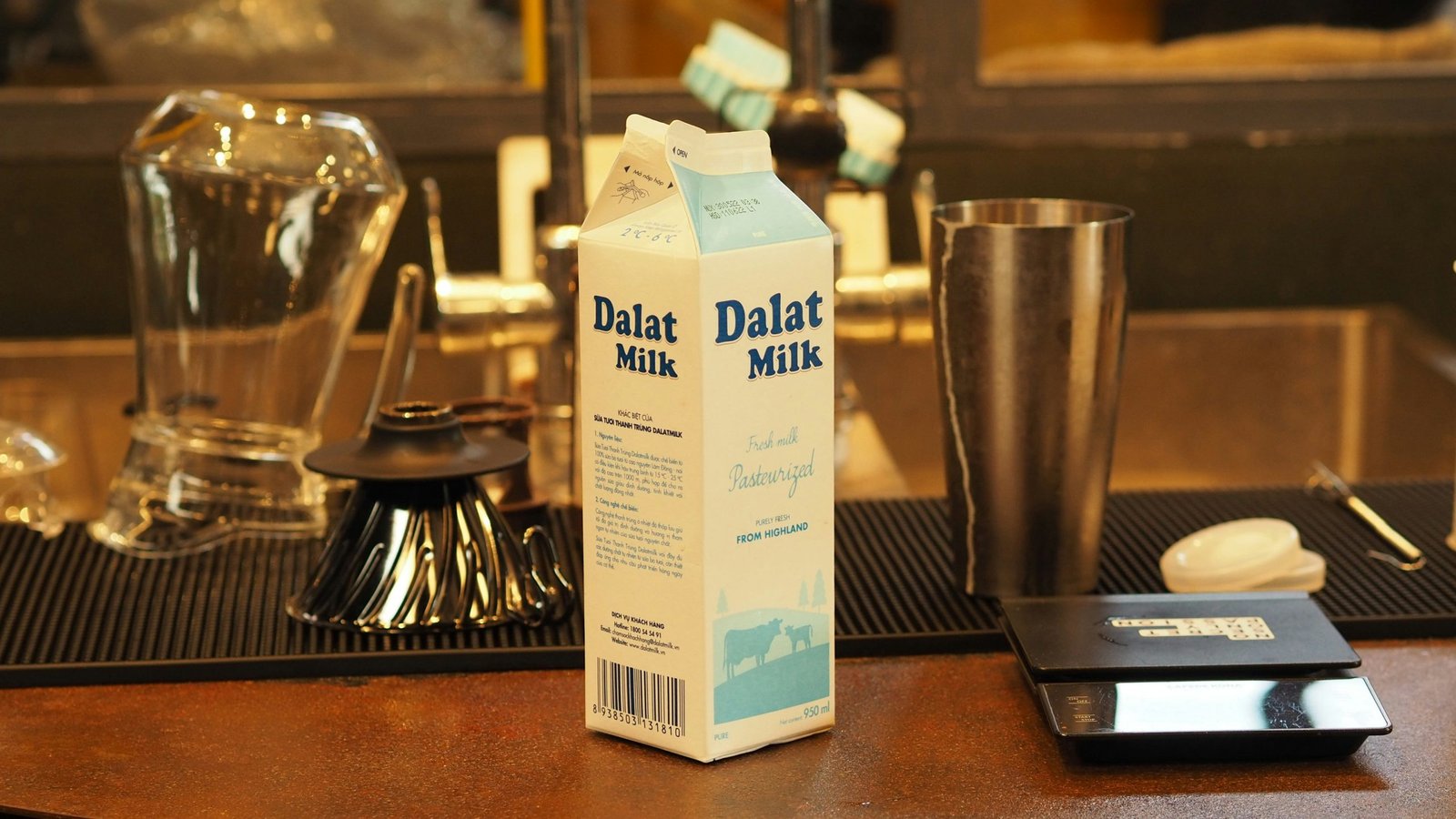
Fresh milk cartons on the other hand, confusingly still made by Tetra Pak, are more easily recycled. The fresh milk cartons are the ones you find in the fridge at the supermarket. These are made of cardboard which is sandwiched between two very thin layers of plastic. The main difference is that the long life carton has an extra layer of al foil. The fresh milk in the fresh milk carton has only been pasteurised, which means heated to a lower degree than the UHT milk, again to kill any bacteria. Fresh milk needs to be kept in the fridge and only lasts a few days.
If you are unsure about which type a carton is, make a small hole in the container with scissors and see if there is grey foil on the inside or not (see photo above).
The fresh milk cartons are not that common, and you’ll see at your supermarket that not many brands use them. Most dairy milk is fresh in plastic bottles, and some alternative milk is in those as well. The occasional brand will use fresh milk cartons.
And most alternative milk is in the long life cartons, as well as some long life dairy milk. Both cartons are also used for juice, and many other things, but at a much smaller scale.
Source: unsplash
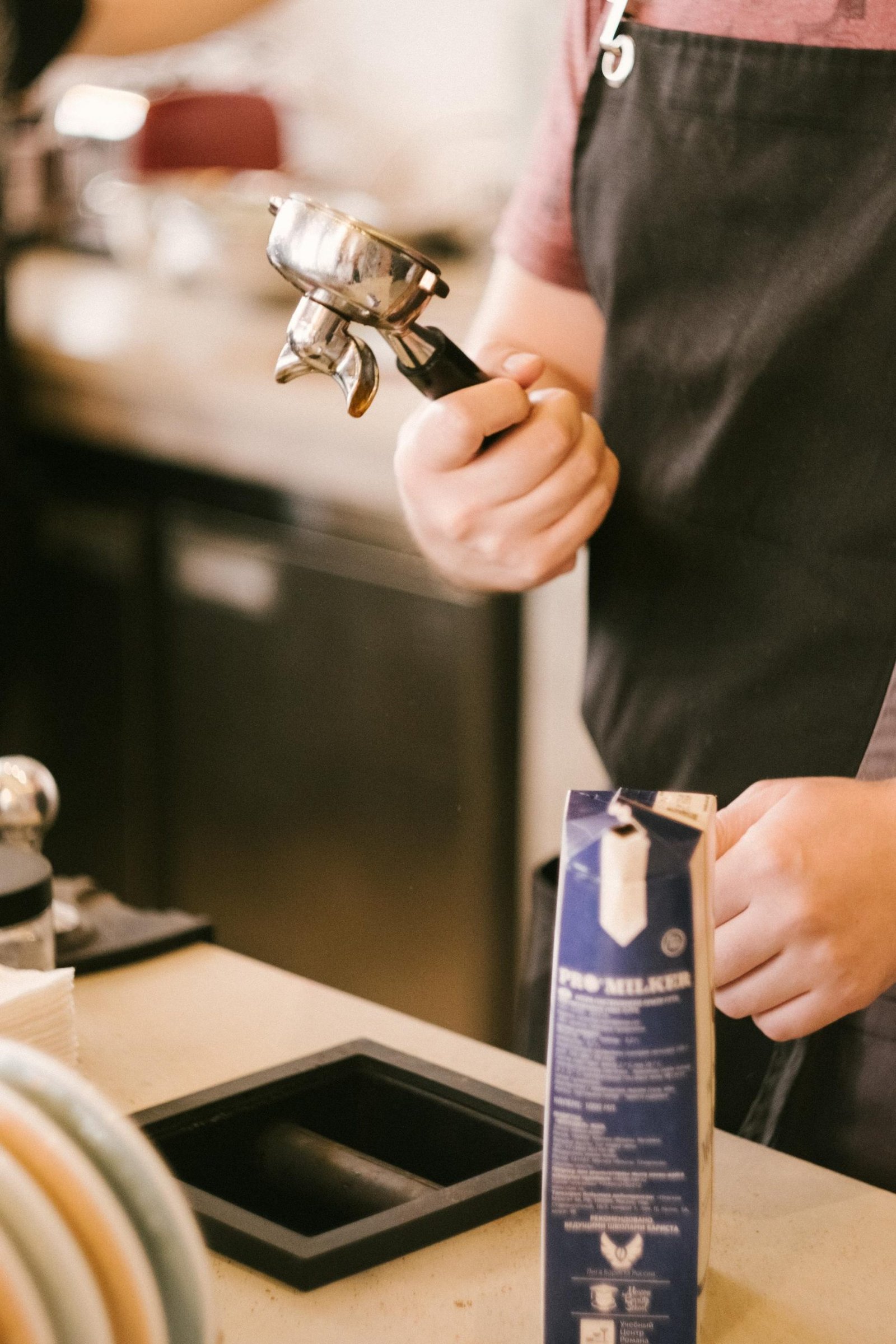
An interesting point is that in cafes, alternative milks still come in 1 litre cartons, the same milks that people buy from supermarkets to use at home. A lot of things in restaurants and cafes come in bulk tubs, large 20kg buckets, things like flour and sugar. Liquids are harder to store in bulk amounts, and go off too soon to have such large containers, and alternative milks need to be shaken before being opened, which is very difficult in a large container, so we see cafes using the 1 litre Tetra Pak cartons all day, every day.
The end of life of tetra paks is something that hardly ever gets talked about. Every cafe and almost every home is using the milk at an alarming rate – and then what? Do they just get thrown into landfill to sit there for a few hundred years? Do they get recycled?
The long life carton is a great product with a design flaw – the people who invented it didn’t think of what would happen to it at the end of its life, or how it interacts with the environment.
Watch the interview we did with Luke from Into Coffee & Into Carry below!
Tetra Pak Recycling:
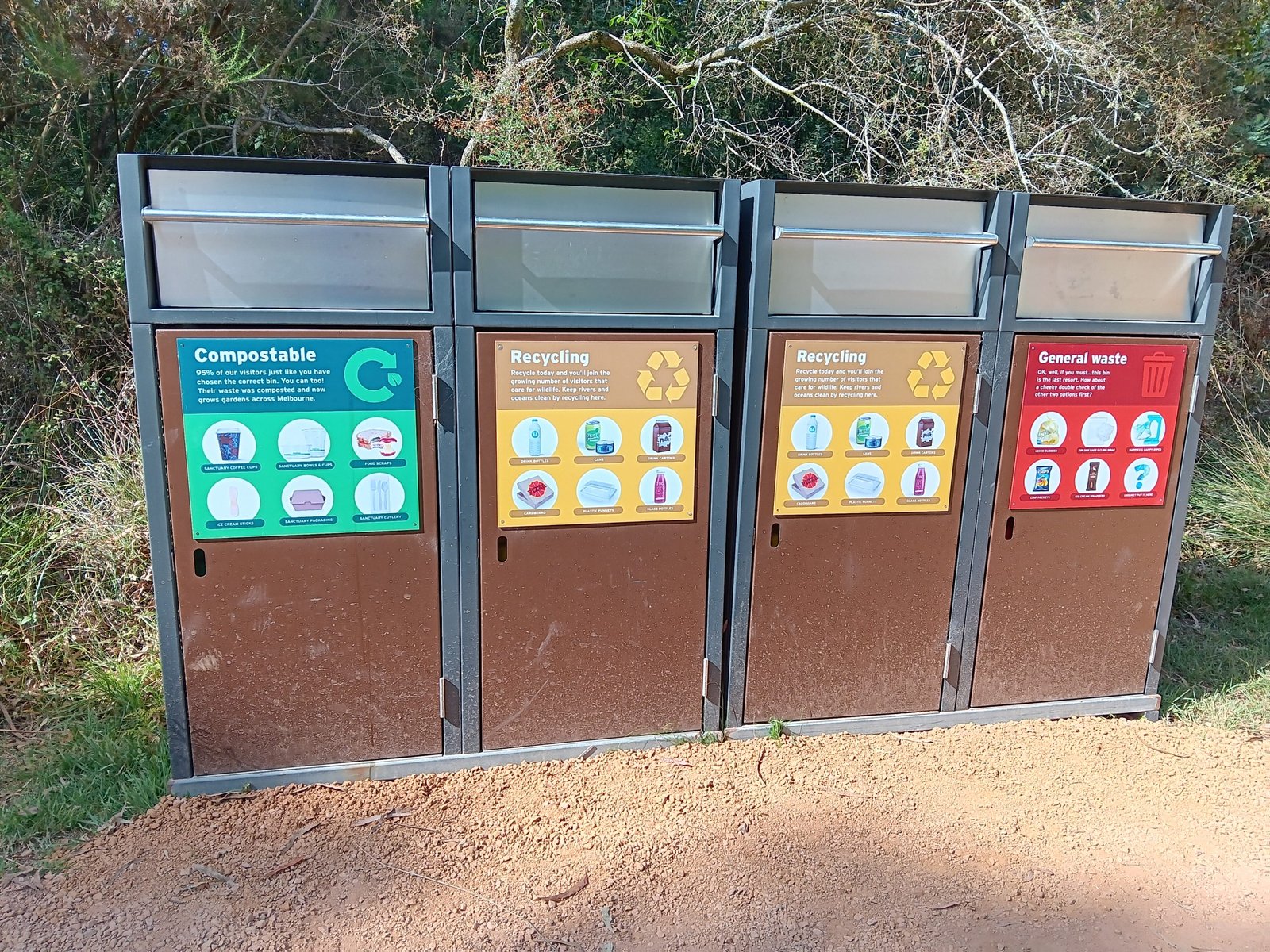
When comes the question of tetra pak recycling, things get a little complicated. Australia has made a little bit of progress in some areas, such as paper, glass, and certain plastics, but Tetra paks pose unique challenges due to their multi-layered composition of paper, plastic, and aluminium.
Which milk to buy is already a tough grey area in sustainability, as on the one hand, some alternative milks are considered more sustainable than dairy milk (read Responsible Cafes’s Complete Guide To Not Milking Our Planet Dry). However the infrastructure surrounding the manufacture and distribution of alternative milks in long life Tetra pak cartons is not sustainable as the Tetra paks themselves are single use and most often end up in landfill.
The question “Can Tetra Paks Be Recycled in Australia?” is not straightforward – it depends on where you live, the recycling programs in your area (if there are any), and the capabilities of those local recycling facilities.
Source: Pexel
Australia’s current recycling infrastructure primarily consists of local councils managing kerbside collection services, supported by Regional Material Recovery Facilities (MRFs) where recyclables are sorted. These facilities are largely designed to handle simpler mono materials such as paper, cardboard, glass, and plastics – which are categorised by the Resin Identification Code (1-7). However, Australia’s MRFs are not universally equipped to process more complex, composite materials like Tetra paks.
According to Tetra Pak’s website, “An average Tetra Pak carton is made up of 70% paperboard, 25% plastic and 5% aluminium to protect its contents – and is recyclable where adequate collection, sorting and recycling systems are in place at scale.”
So what does this mean? of course, technically, the cartons are recyclable, but the question is, is anyone actually recycling them? Is anyone collecting and then sorting them? Is there infrastructure in place to recycle them? Are these at scale or just in certain areas?
The answers to these questions are vague. Before 2018, Australia was sending its recycling to China, but China stopped accepting it. So now we have recycling, and nowhere to send it, and are trying to build our own infrastructure and it is happening, but very slowly.
We have the same problem with take away coffee cups, which are made of cardboard with a plastic lining. If they were to be recycled, the paper and plastic need to be separated and recycled in their respective stream, which, in Australia, does not happen. You can read more about coffee cups recycling in this post.
In contrast, many countries in Europe are doing a much better job at recycling. As of 2021, the European Union has been leading efforts, recovering and recycling about 70% of their tetra paks. This is much better than the sad global average of between 20- 30% mostly due to China lagging the recycling systems and technologies for Tetra Pak recycling.
Germany in particular is recycling a whopping 80% of their tetra paks and we bow our heads to their efforts! The European Union has a strong focus from the government on recovery rates, letting the population know how to recycle properly, and how important it is. The buy in from people is high so they are trying their best to use the right bins. Governments and companies (including Tetra Pak) are also investing in new technologies to make recycling better such as this new hub in Poland.
Tetra Pak Recycling Issues in Australia
Source: Pexel images
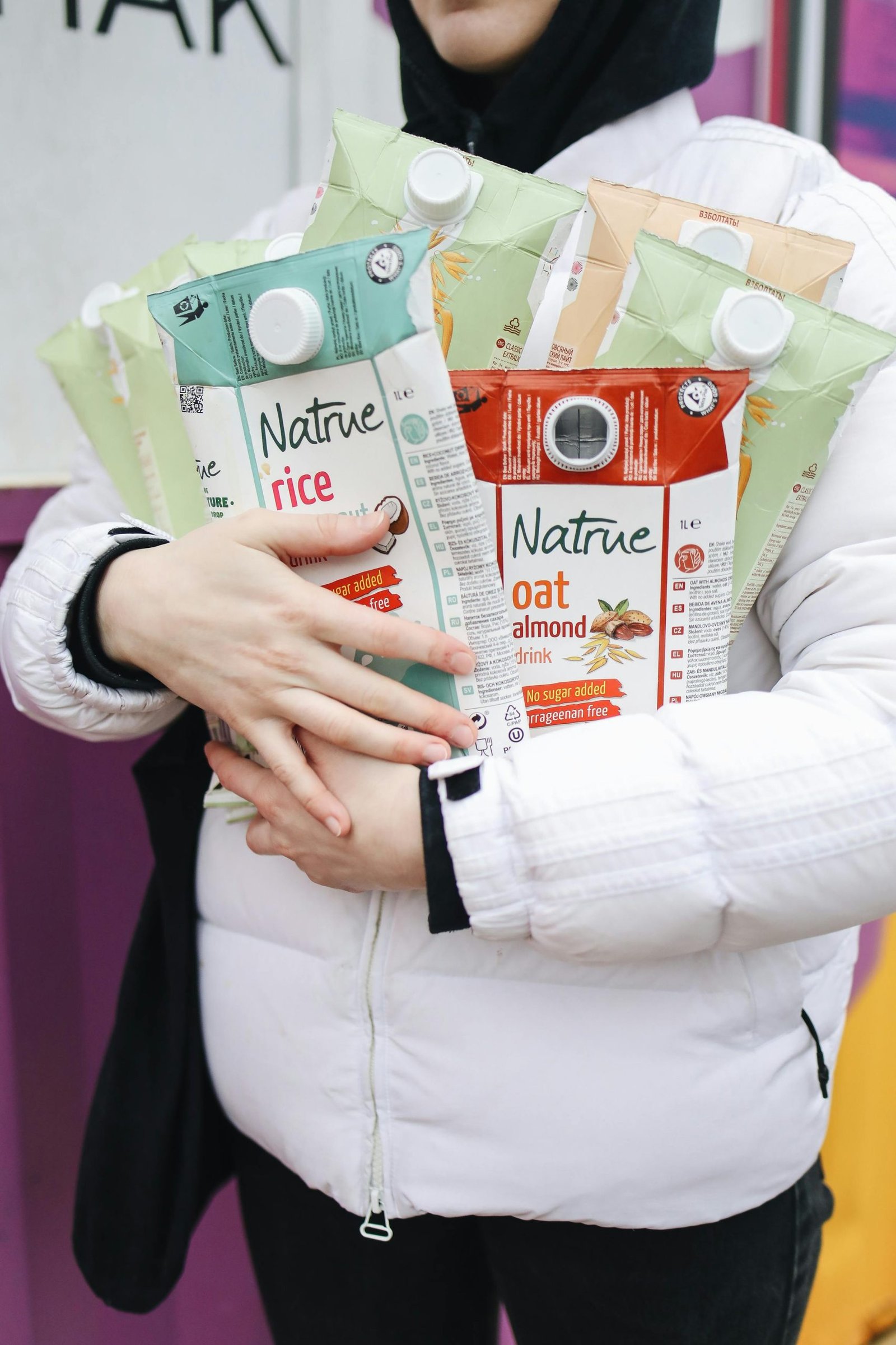
It is a common misconception that long life Tetra Paks can be placed in the yellow kerbside recycle bin Australia wide.
Some councils do collect and recycle them, but just like compostable packaging and composting facilities, most councils in Australia do not have access to a facility that recycles them. Not to mention the fact that many councils in Australia are rural and do not have any recycling facilities at all, with some only having minimal recycling facilities.
If you are disposing of your Tetra Pak cartons in the recycling bin and your council doesn’t recycle them, they are being sent to landfill. So unfortunately they belong in the red landfill bin. Check in your council, and ask them which bin to put the tetra paks in. Your council should have the information up on their website, but if you’re not sure, give them a call and check.
You can also try and use the Recycle Mate app (although this is still a fairly new initiative and your Council will be the best placed to give you the most updated information).
Tetra Pak has been involved in initiatives aimed at improving the recycling of their products globally, and they’ve begun engaging more with the Australian market. According to their website, Tetra Pak is working with local councils and recycling organisations to support the development of infrastructure needed to recycle their cartons.
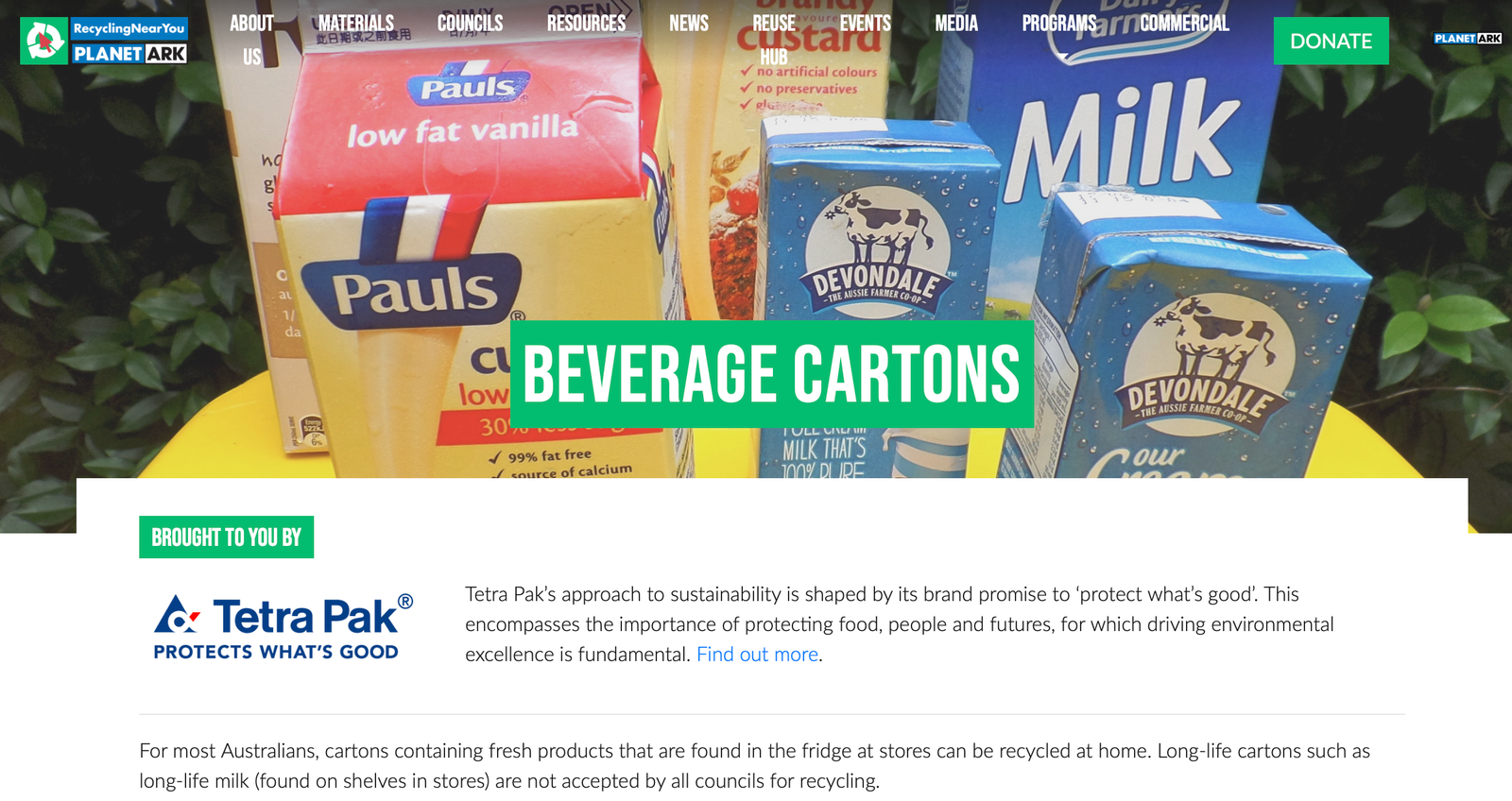
Tetra Pak is a sponsor of Planet Ark’s Recycling Near You and National Recycling Week as a part of its commitment to supporting the change to a circular economy. Planet Ark’s Recycling Near You website is another tool you can use to search how to dispose of, and where to recycle a lot of different items. It is a handy tool, and you can use it to find out what can be recycled in your local kerbside bins, and what needs to be taken to a special facility. The website grabs information from your local council and local area, after you pop in your postcode. You can select beverage cartons to search for milk cartons and the website will pull up the information specific to your local council, and which beverage cartons are accepted into what bins.
We had a try of putting in a number of towns and cities across Australia. Some councils in Australia will accept fresh milk cartons, or cartons containing fresh products like juice and custard, in the yellow kerbside recycling bin. And long life cartons will belong in the landfill bin in most councils. Many councils do not accept either fresh nor long life cartons, and recommend disposal in the landfill bin.
Also, on the website, many councils come up with saying you can’t put milk cartons in any of the bins, which is very strange.
Source: Recycling Near You website
Often some “drop off” suggestions popped up on the Recycling Near You page, but none of the ones that we looked at actually accept long life cartons. These “drop off” locations lead to transfer stations which accept large scale waste, or to council websites. Or they link to Container Deposit Scheme locations, which do accept smaller beverage cartons, but not the 1L Tetra Paks.
Some “pick up” suggestions pop up as well, that are generally pick up services for commercial waste. Not very relevant to household milk cartons unfortunately.
Overall, it seems that the Recycling Near You page struggles with recommendations for items that are complicated.
Source: Pexel images
Unfortunately, Recycling Near You is as confused as the rest of us, which further highlights the issues with tetra pak recycling! In other words, always do your research and give your council a call to make sure you’re doing the right thing.
Source: Froth Van in WA
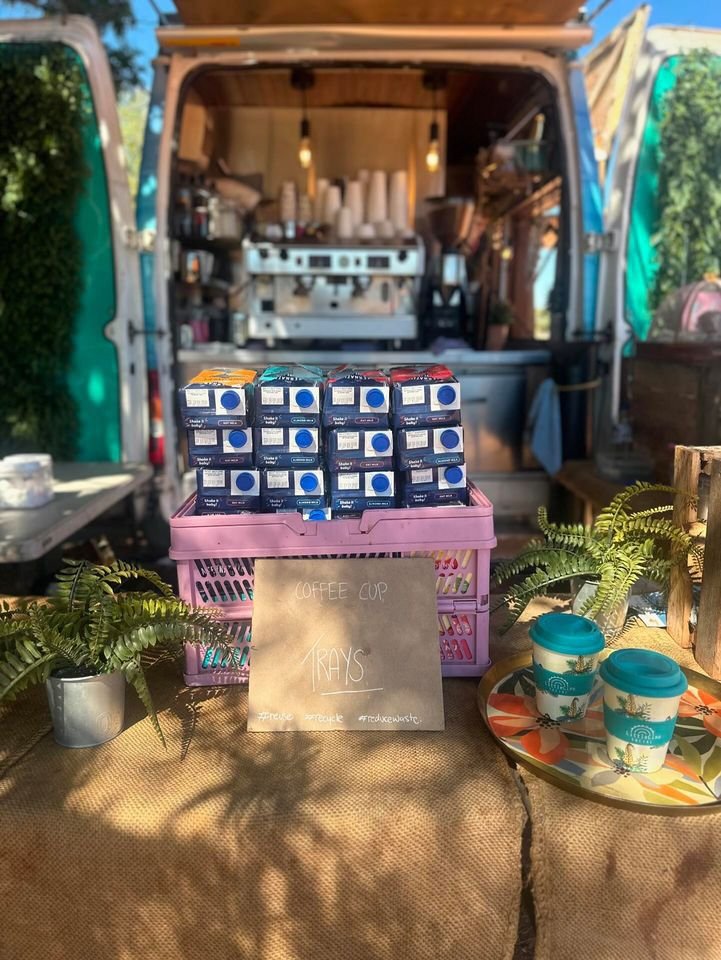
Some cafes have started upcycling Tetra Paks by using them as an alternative to take away coffee carry trays, which is nice to see as it gives the long life carton one more use and also means the cafe doesn’t have to buy new trays.
Some people have fun recycling long life cartons at home by turning them into paper as in this video, or other creative ways, as featured on the website.
Sadly, the reality is, most long life cartons won’t be recycled and will end up in landfill. We still have a very long way to go before any of us can say we are happy with our recycling infrastructure, or our move towards a circular economy.
Some states have adopted Container Deposit Schemes (CDS), where consumers can return beverage containers for a refund. Although these programs have shown success in increasing recycling rates for many beverage containers, Tetra Paks in 1 litre are currently not included in these schemes. Whereas the smaller juice and milk boxes, which are Tetra Paks in a smaller size, are eligible for the 10c refund container deposit schemes. We are hopeful this will change with time, and that these schemes will start accepting 1 litre cartons. While some Tetra Paks are being recycled in Australia, the current infrastructure cannot handle the volume produced nationwide. For Australia to fully address this issue, it will need to develop more and more specialised facilities capable of processing these materials. In the meantime, reducing the use of tetra paks and finding alternative packaging solutions could be part of the strategy to minimise waste.
Saveboard: Turning Over A New Leaf for Tetra Pak Recycling
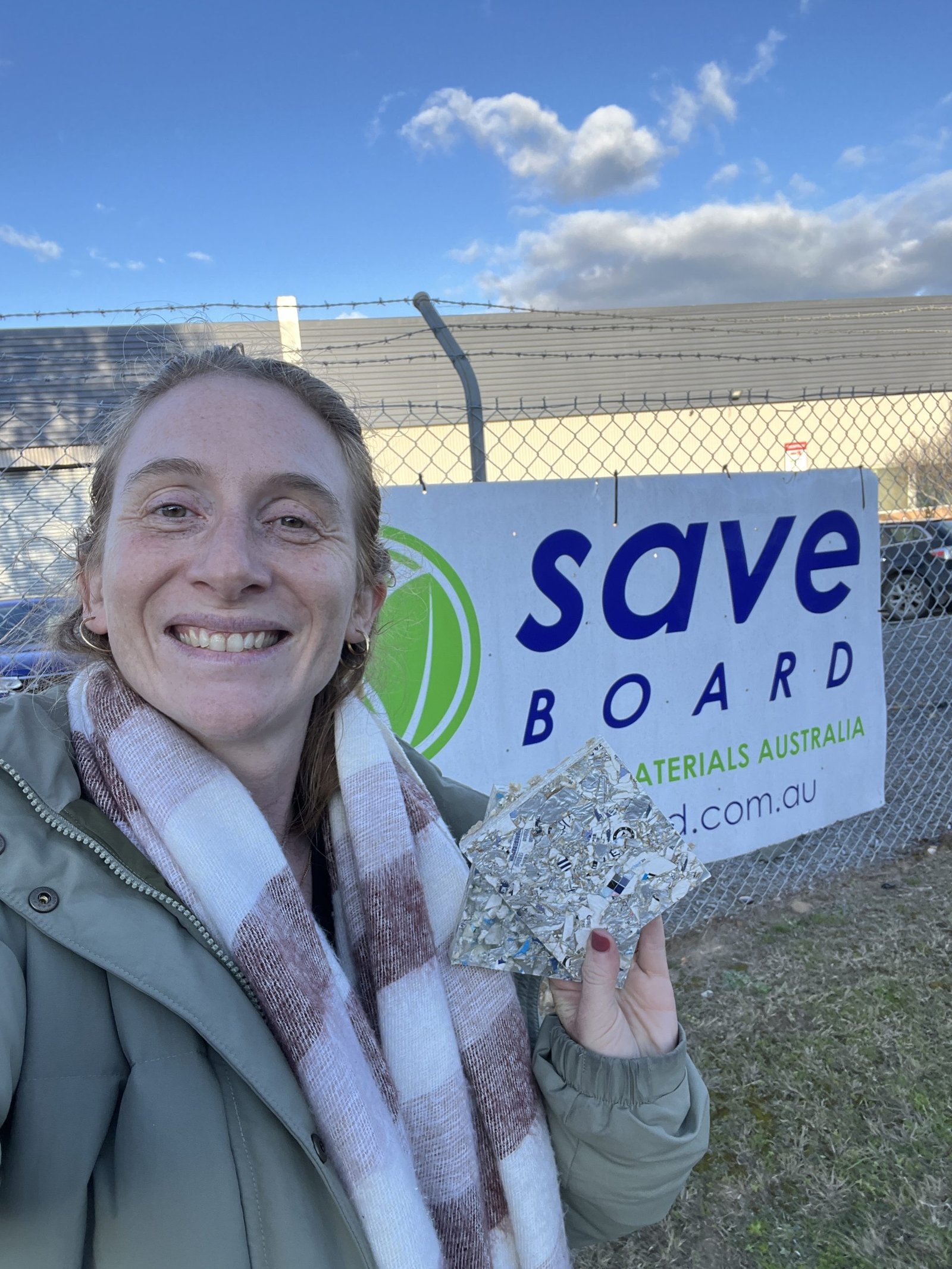
The wonderful Marion from Responsible Cafes visiting the facility in Warragamba, NSW
Saveboard is an innovative company making significant strides in tackling the recycling challenges posed by Tetra Paks and other composite packaging materials.
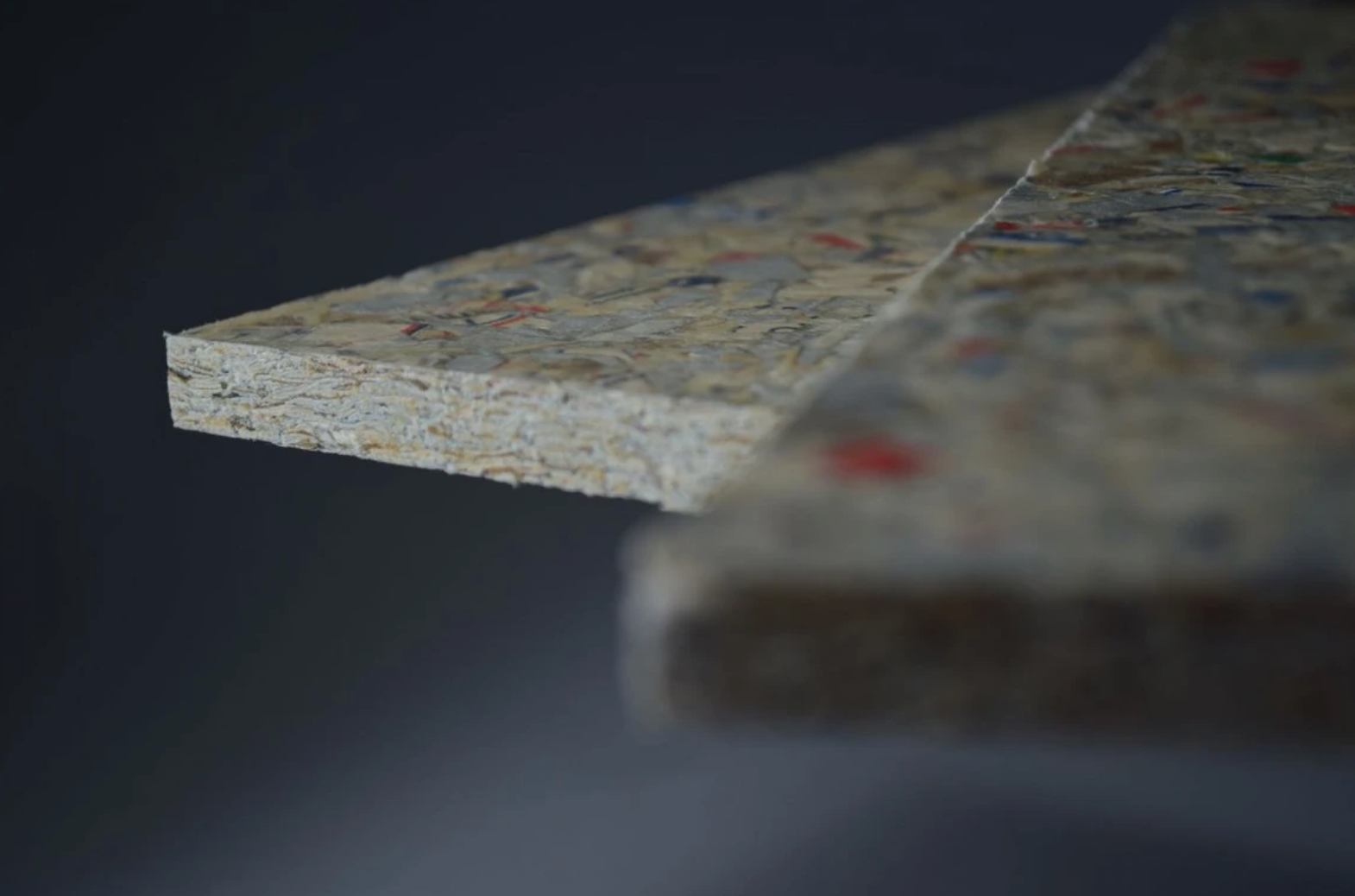
Originally from New Zealand, and sponsored by Tetra Pak, Saveboard has recently expanded into Australia, offering a sustainable solution that turns hard-to-recycle packaging waste like tetra paks, liquid paperboard, soft plastics, blister packs, traditional coffee cups and other composite materials into durable building materials including roof board, ceiling tiles, lining for walls, and other panels and projects. Saveboard boards are an alternative to traditional materials such as plywood, plasterboard and cement board. All of their boards and offcuts are able to be recycled by Saveboard to make new boards too.
The beauty of Saveboard’s process is that it doesn’t require separating the layers in tetra paks (paper, plastic, and aluminium) or other composite materials. Instead, the entire package is processed into a solid building board. This avoids the need for complicated, costly sorting technology and offers a direct recycling route for materials that would otherwise end up in landfill.
Their recycling process works by collecting clean packaging waste from kerbside recycling, manufacturing facilities, and other sources. It is important to note they cannot accept food contaminated materials yet, so very limited post consumer Tetra Paks and no coffee cups – mostly extra production rolls, offcuts or failed printed materials (see photo below)! The waste is shredded into small pieces and then compressed under high pressure to form rigid building boards. No adhesives or chemicals are required in the process, which further reduces the environmental footprint.
At the moment in Australia we only have one Saveboard facility, in Warragamba NSW. While this is a great milestone, and it also helps to cut down the use of raw materials in the building industry, it is only one facility and we would need many more across Australia for it to be a solution. We would also need a much higher adoption rate of the finished product at scale (it is currently more expensive than traditional board made from virgin material) and the option for post consumer waste to be widely accepted.
Source: SAVEboard website
In New Zealand, where Saveboard started and is well established, there are drop off locations for people to drop their washed, clean tetra paks and with time their goal is to have a curbside bin that collects them and takes them to Saveboard. Hopefully we will have something like this in Australia with time!
The end product is a durable, moisture-resistant, and thermally efficient building material. It is strong enough to replace conventional materials while contributing to a more circular economy.
Businesses can work with Saveboard in different states in Australia, not just in NSW, as they have partnerships in place in different States. You will have to check with Saveboard directly if they have a drop off place available near you.
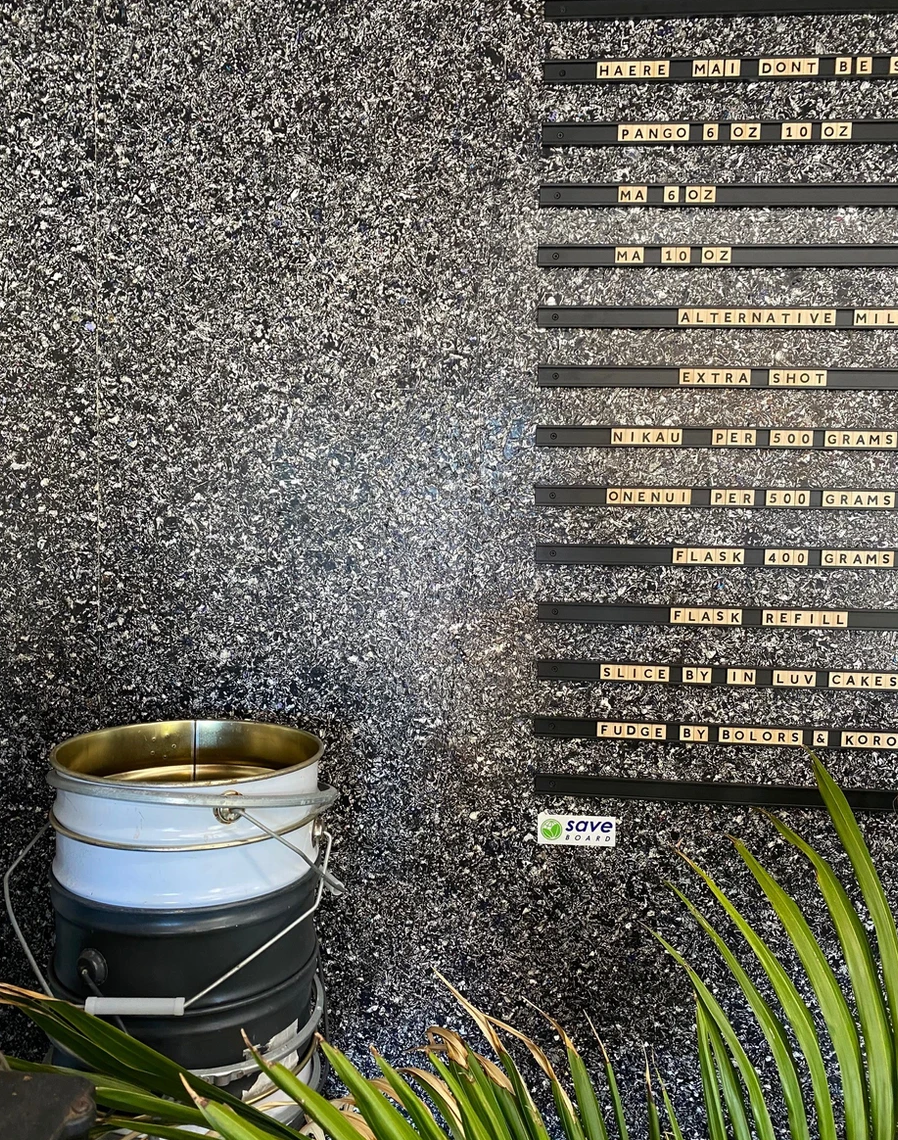
Source: SAVEboard website
Saveboard boards are available at Bunnings, Mitre 10 and occasional local retailers. In Victoria, for example, a company called McCormacks sells Saveboard boards, and can help with many projects, so make sure you support them next time you need something like this!
Saveboard has a pretty fun youtube channel you might like to check out.
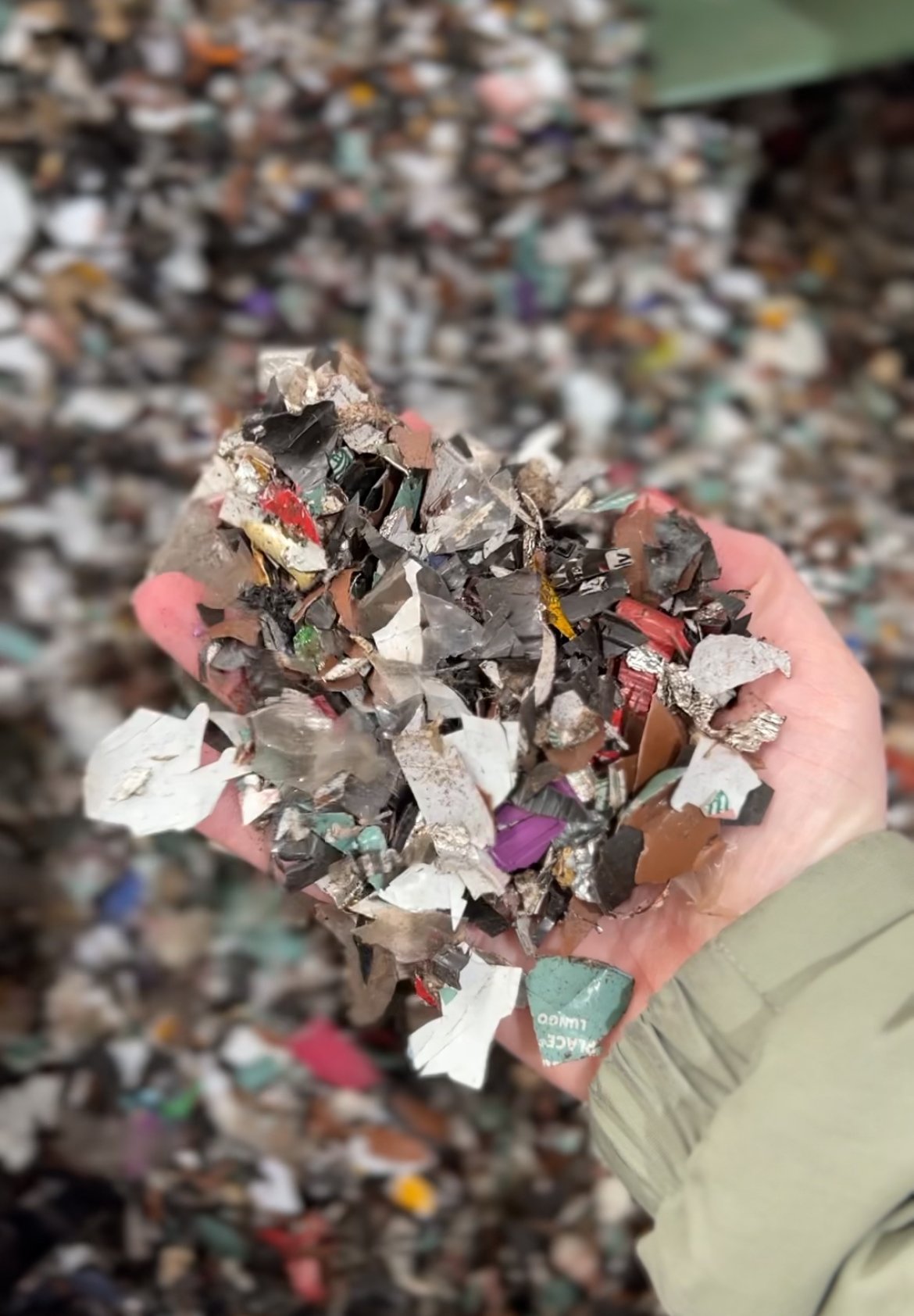
Source: SAVEboard shredded materials
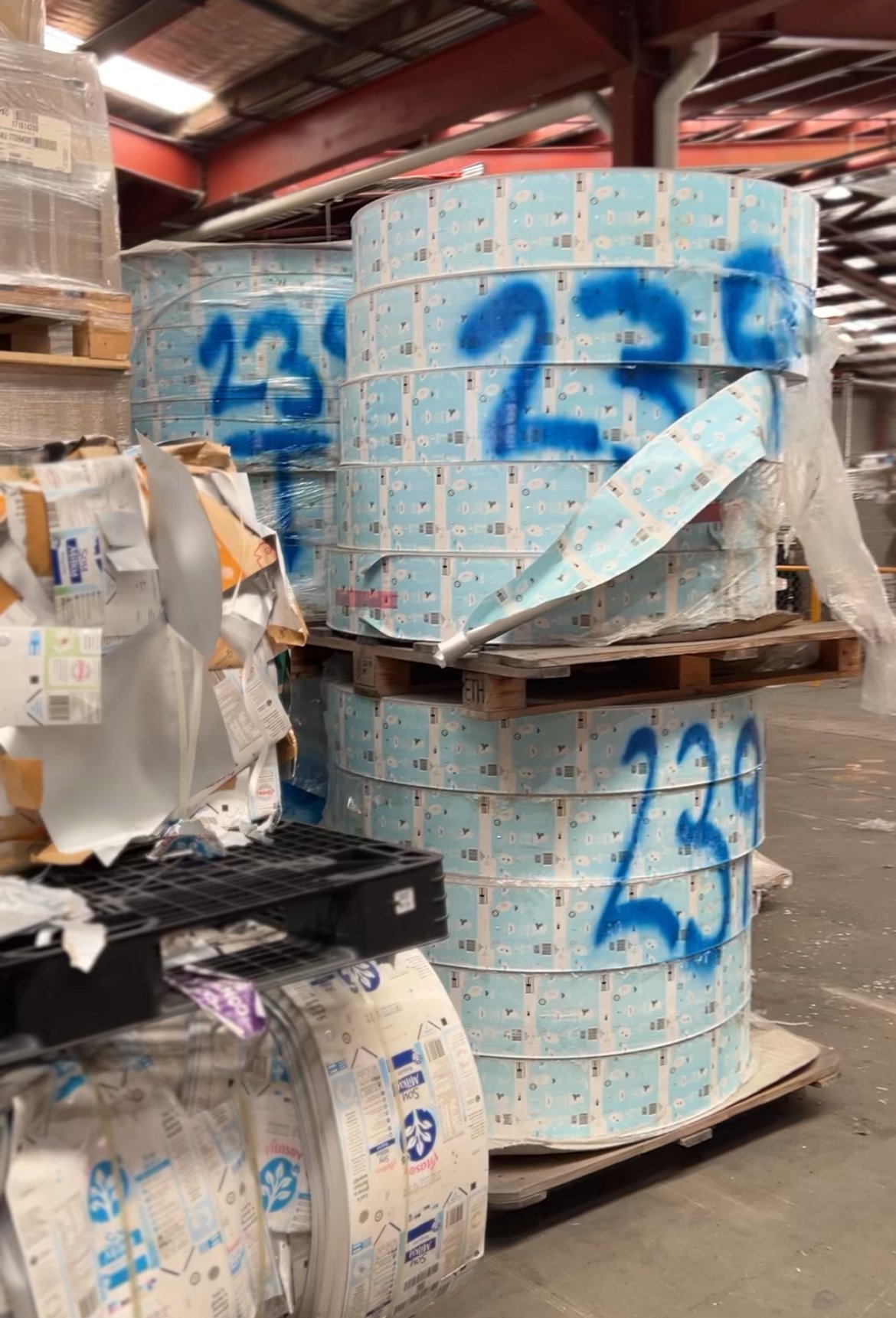
Source: Tetra Pak offcuts from printing factories
Alternatives to Buying Tetra Paks
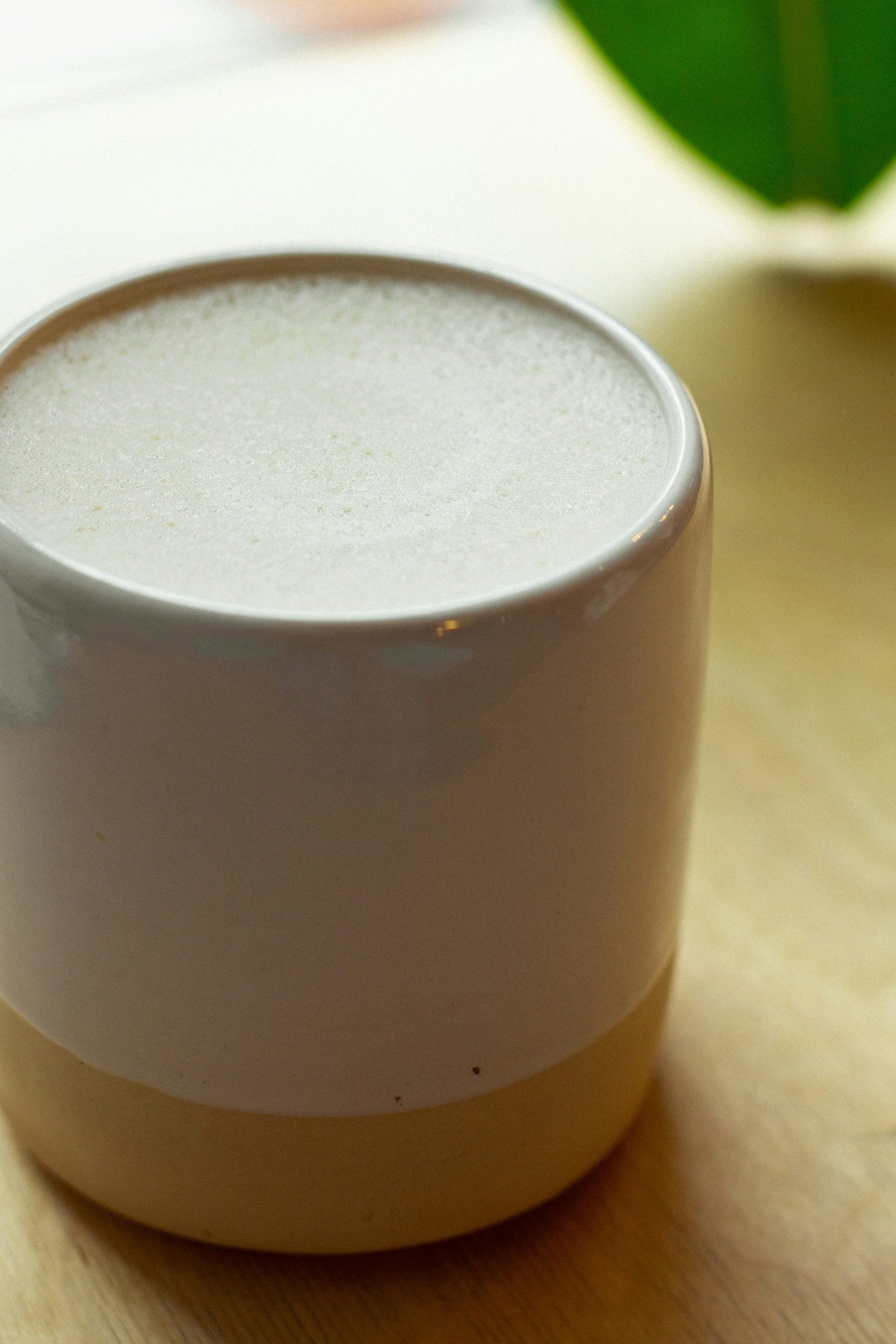
Source: unsplash
Many people are trying to find alternatives to using Tetra Pak long life cartons, at least until the infrastructure in Australia has been built!
From a sustainability point of view, many people are choosing to skip Tetra Paks and other milk cartons, even if they are being recycled in their council, due to their single use nature. Even if they can sometimes be recycled, engaging in single use items, and encouraging their use by buying them, is not ideal.
However, we have a life to live, and we can’t give up on everything! So it will be a matter of choosing the lesser of two evils. When making a decision, we can consider the better choice for our own use.
If we choose to use Tetra Paks, let’s try to get them to a recycling stream. We can encourage our local council to work towards including it in a Container Deposit Scheme or find a way to recycle them as soon as possible.
If our council accepts fresh cartons but not long life cartons, let’s do our best to buy fresh cartons and then recycle them!
The Nutty Bruce is a brand that makes alternative milks in fresh milk cartons so look out for them at your local supermarket! Nourish and Care also have their own fresh milk cartons available at their stockist venues.
A few brands sell dairy milk in fresh milk cartons. You can see below and have a read here about the difference between fresh and long life cartons and how to recognise them. The fresh milk cartons have what’s called a gable top, which is the one where you have to pull the cardboard tabs apart at the top to open the carton – and these cartons are always found in the fridge.
However if your local council doesn’t accept them, they are no better than long life cartons unfortunately!

Source: Recycling Near You website
You can also try the below alternatives to tetra paks:
MAKE YOUR OWN NUT MILK
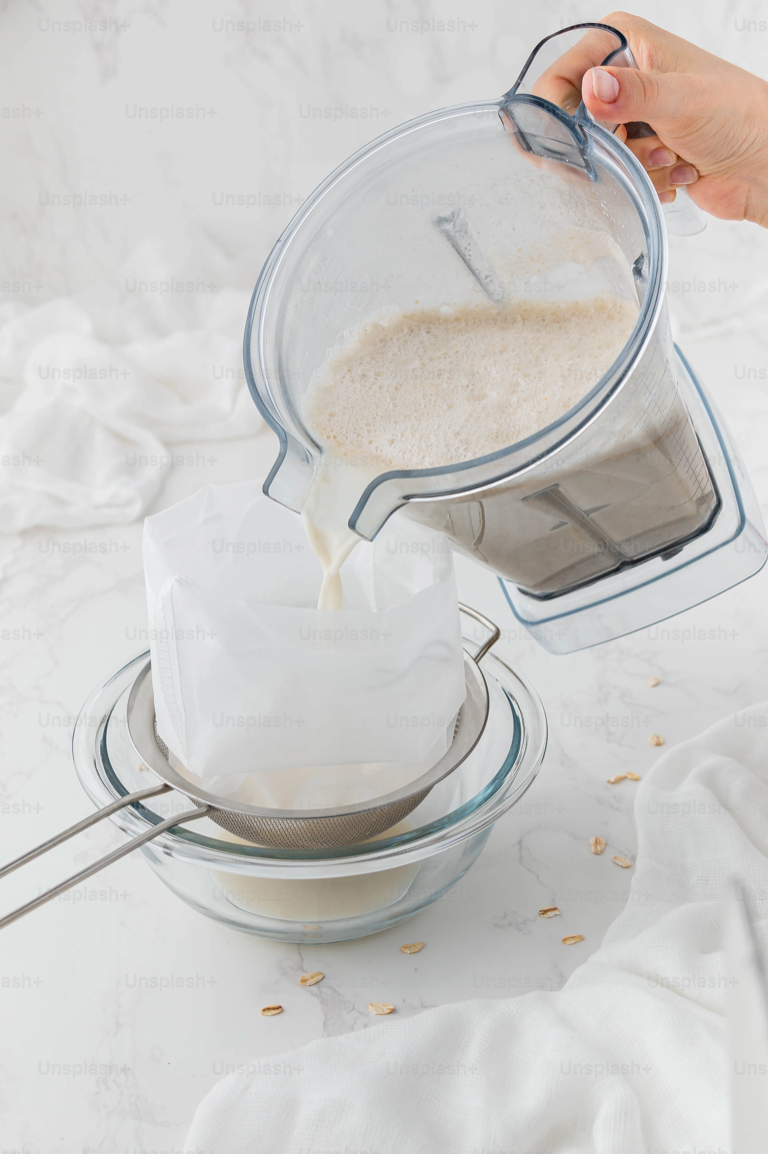
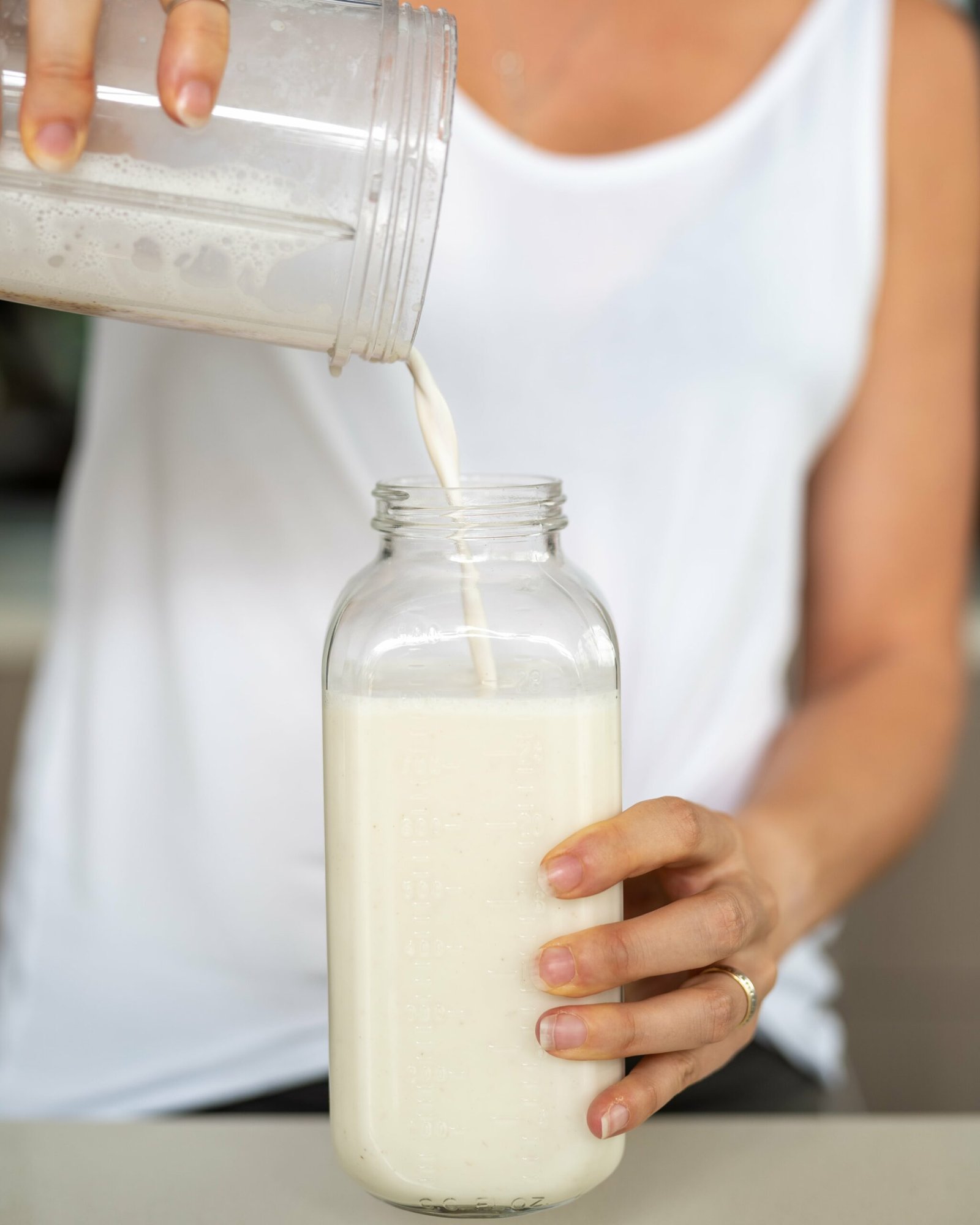
Have a go at making your own DIY plant based milk! Almond, cashew, macadamia, coconut, rice and oat milk all have a similar process for making your own nut milk at home – you soak the product, then drain, put in your blender with water and blend, then strain and put into a bottle. That’s it! It needs to be kept in the fridge, and will last a few days just like fresh milk.
Soy is a little bit more complicated, as soy is a bean, it must be cooked before eating. So to make your own soy milk at home, you have to soak and drain the beans, then blend them with water. But then have the additional step of putting the milk into a pan, and cooking it, then letting it cool, straining it and then placing it in a bottle.
Source: unsplash
To make this easier, you can get a nut milk maker or soy milk maker. There are various products on the market. If you want nut milk, you can get a machine that just blends, or for soy milk, the machine will also heat the contents. Both then need to be strained – you can use a small metal fine mesh strainer over a jug. You can also use a soy one that heats to make any of the other nut milks – it will heat it but if you like the taste that’s okay too. There are many variations on recipes so you will need to try a few to find your favourite.
If you use alternative milk daily, this is a really great alternative, and home made milk tastes so much better than store bought and is better for you! You can buy the nuts or soybeans organic if you like, and ideally from a bulk food store in your own container. Your environmental impact will be incredibly small this way, just the handful of nuts, and the small amount of electricity it takes to use the machine. You can buy a new machine online, or better, search for a second hand one on marketplace!
You can also make nut milk from nut butter, like almond butter, or macadamia butter. Blend a tablespoon of nut butter per 1 cup of water in a blender. Make sure you use smooth nut butter – or you’ll still have to strain it!
Source: Ulu Hye
PLANT-BASED MYLK BASE OR POWDER
Ulu Hye or Nimbus are brands that make nut mylk base (in a base or powder form) so you can make your own plant based milk. Almond, nut, hazelnut, hemp and oat are possible options. This is a ‘base’ to make your own alternative mylk at home. You put a little bit of the base or powder in your blender with water, and blend. The mylk will last 4-5 days, need to be stored in the fridge and should be shaken before pouring as natural separation may occur.
This is a great alternative to buying tetra paks and makes the process of making your own milk very easy. The glass jar it comes in is recyclable too which is great (as long as your council does that of course!)
GLASS BOTTLES
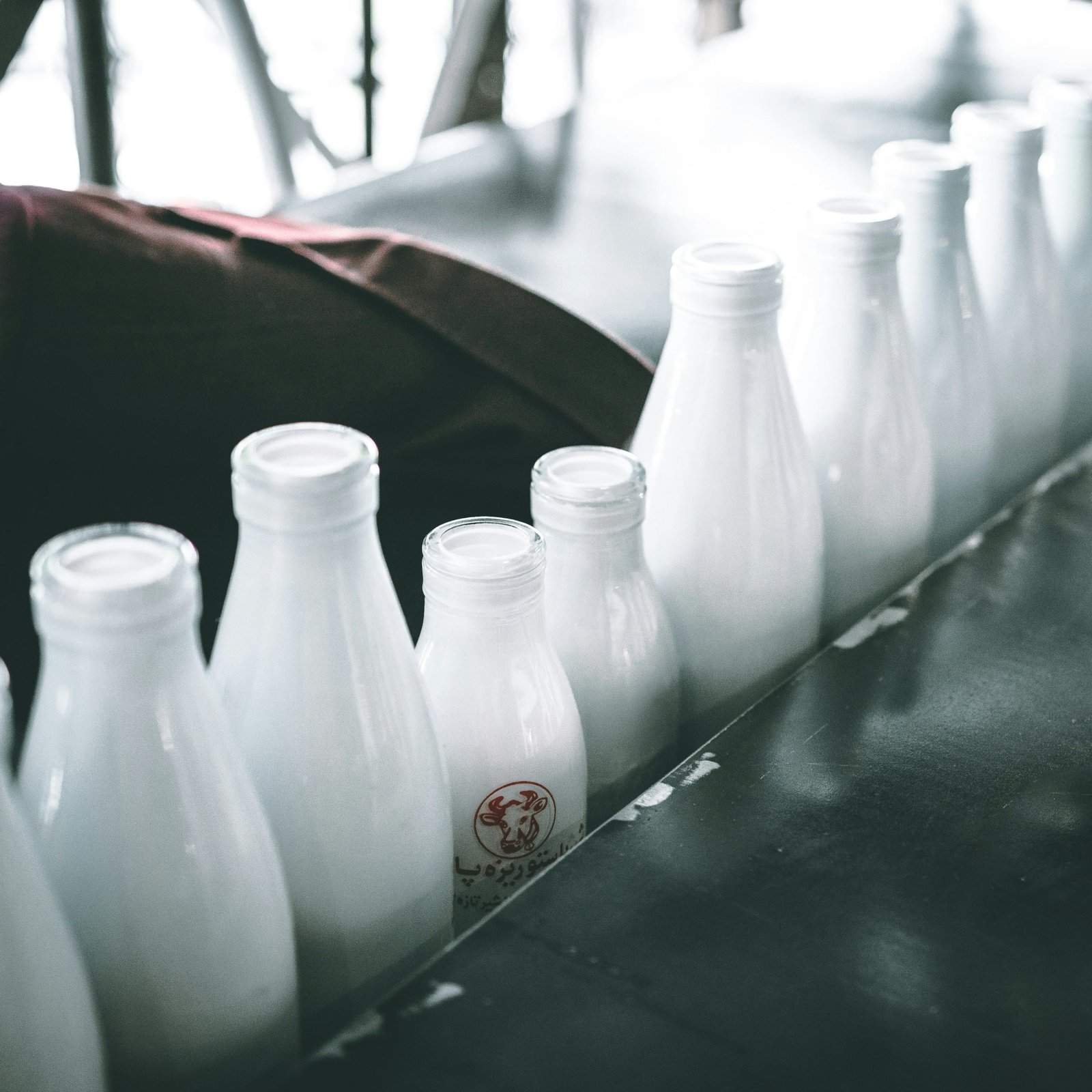
Look out for both dairy milk and alternative milk sold in glass bottles. Even though it is heavy to transport, glass is easily recycled, especially if you have the new purple lid glass bin available in your council.
Al Naturale has nut milk in glass bottles, and Schulz Dairy has dairy milk in glass. Check your health food store for these and other brands that use glass. Some Asian grocers will offer soy milk in glass bottles too.
Often these are more available in cities and harder to find if you’re more rural. Not to mention there may not be any glass recycling around if you are rural as well.
Source: Unsplash
BULK MILK FOR CAFES
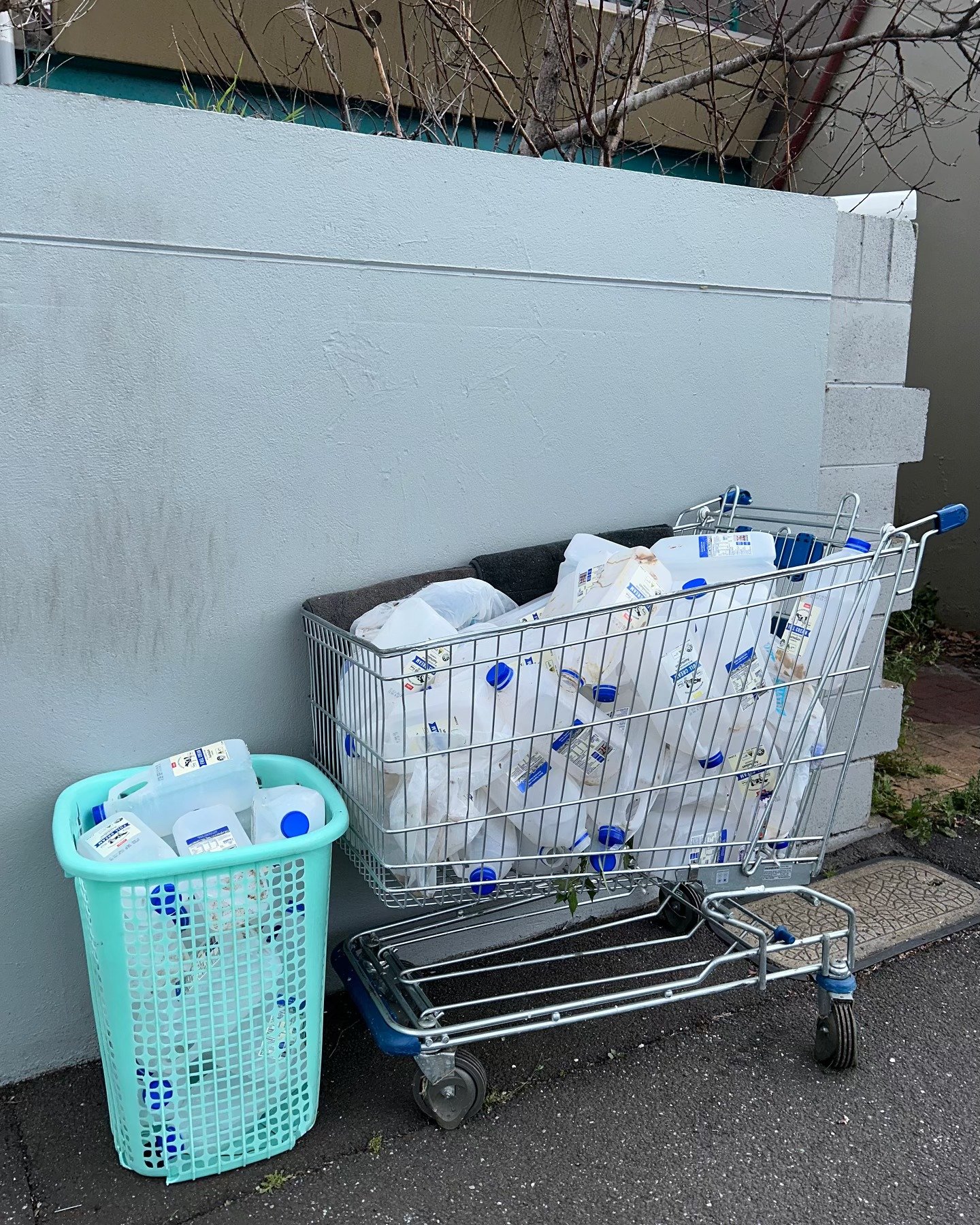
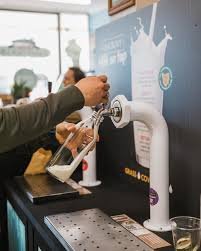
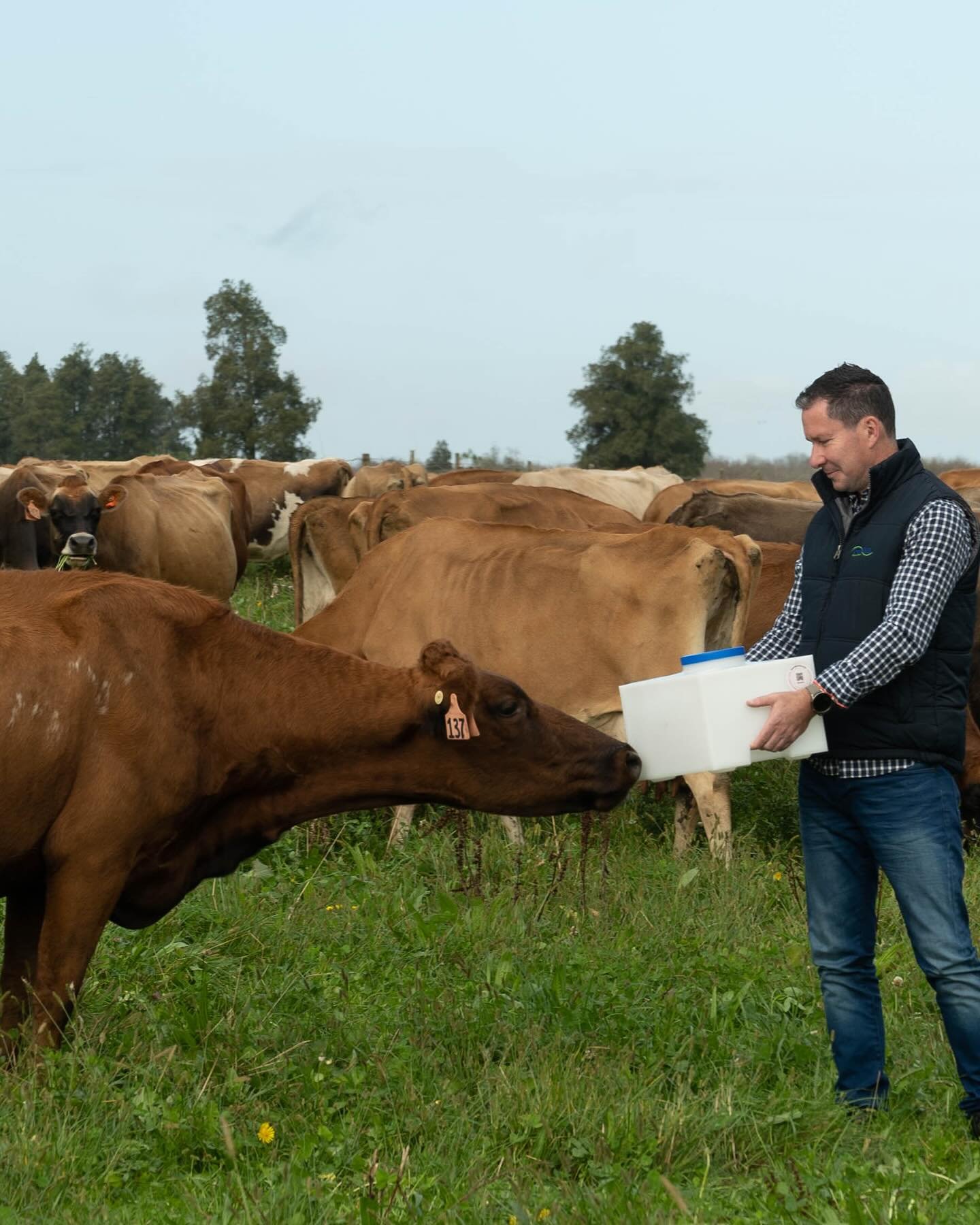
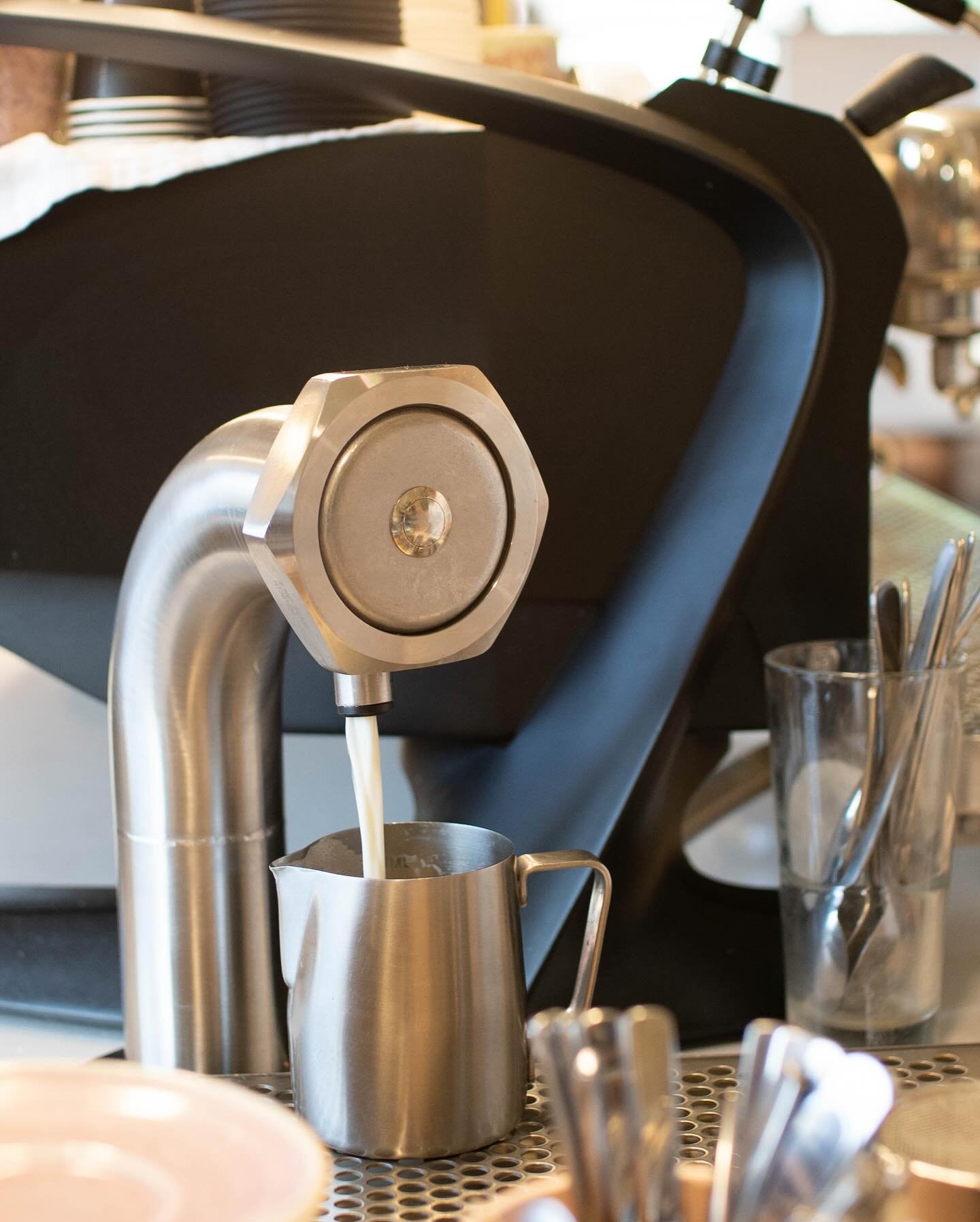
The Udder Way or The Juggler offer refillable milk kegs or milk bladders with a milk on tap and incorporated fridge systems to cafes, partnering with local dairy farmers – and the cool thing is that customers at the cafe can refill their milk bottles from home as well.
With busy cafes using many 10’s and some using 100’s of litres of milk each day, the need to create a more practical and environmentally sustainable solution than 2 litre milk bottles seems obvious.
Source: Udder Way
We are hopeful that Australia will keep building better and better infrastructure in place over the next few years to recycle complicated materials.
Also with time we hope that manufacturers will use better materials, reusable or truly compostable ones with no plastic ideally, as part of a circular economy. We would love to see more reusables-refillable systems enter that space, things like milk kegs at cafes being common practice would be ideal.
In the meantime, all we can do is our best. That’s all from us at Sustainaroo Travels for today! We’re off to go shopping for a soy milk maker!
We’re Maria and Freddi, the duo behind Sustainaroo Travels. As passionate advocates for sustainable travel, we help fellow travellers explore the world responsibly, with tips and inspiration for eco-friendly journeys. Through our blog and travel guides, we aim to make it easier for everyone to enjoy adventures that are kind to the planet and the places they visit.