
The National Sword Policy
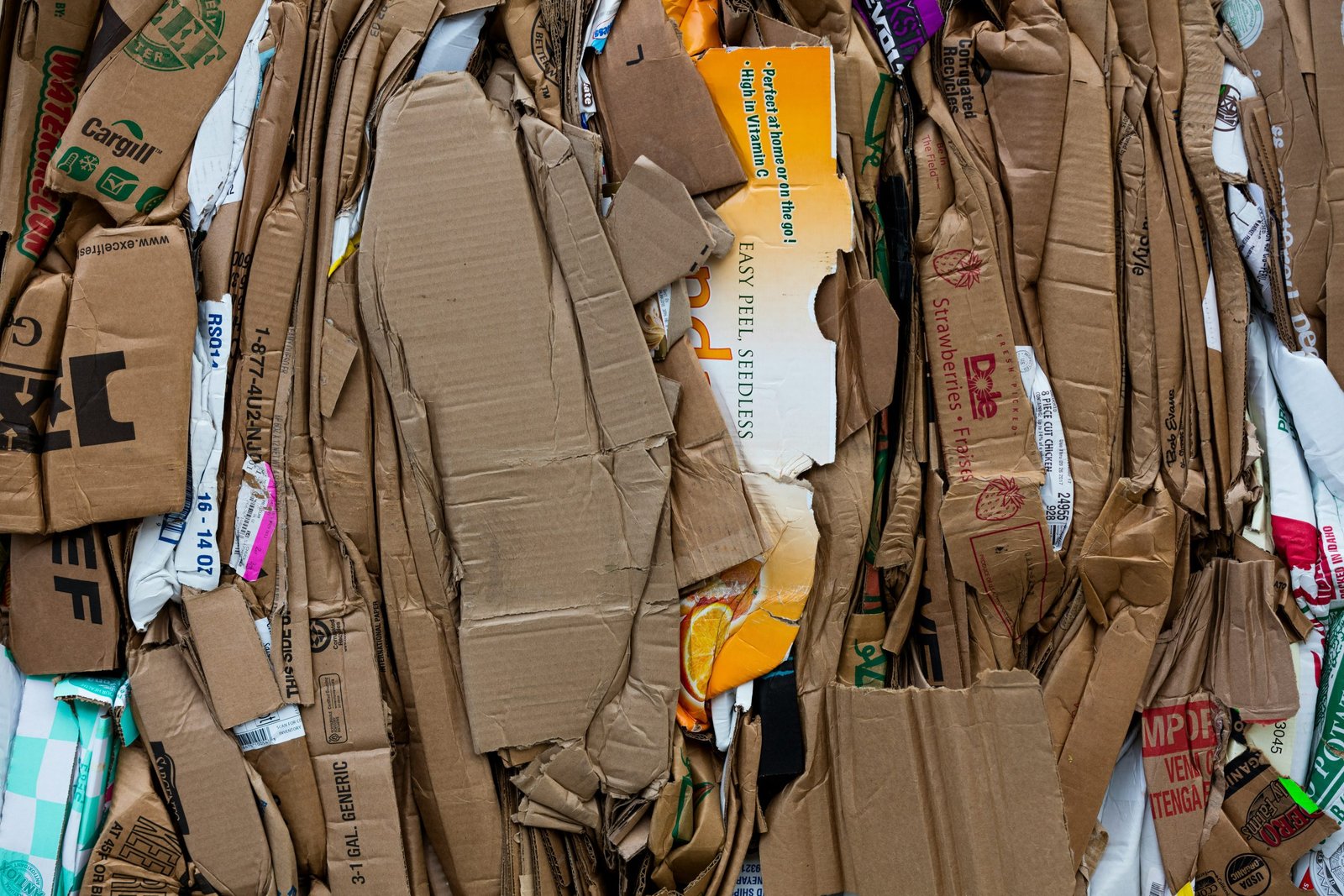
The National Sword policy, introduced by China in 2018, marked a turning point for global recycling efforts. For decades, China had been the world’s largest importer of recyclable materials, processing a significant share of waste paper, plastics, and other materials.
Before 2018, Australia heavily relied on exporting recyclable waste to China. This arrangement was economically beneficial as Chinese companies purchased the scrap materials such as paper, plastic and metals. The system was set up in Australia as it avoided the cost of developing domestic recycling infrastructure while receiving compensation for the materials.
However, under the new National Sword policy, China drastically reduced the types and volume of foreign waste it would accept, citing contamination and environmental concerns. There was demand for cleaner, uncontaminated materials, and Australia was not cleaning their materials. The policy imposed strict contamination limits – allowing only 0.5% contamination in recyclables—which most countries – Australia included – could not meet due to insufficient sorting and processing practices.
This made it nearly impossible for Australia’s mixed waste streams to meet the new standards. As a result, the two thirds of Australia’s recyclables that had been going to China – were now not going anywhere. Some waste streams are being sent to other countries in South East Asia, however these are also getting stricter standards with time and are not a long term solution.
For Australia, this change was a major blow. Australia, like many other nations, had built its recycling systems around this global export model. The sudden closure of China’s market exposed deep flaws in the system, revealing that much of what was collected as “recyclable” wasn’t being processed domestically and, in many cases, couldn’t be recycled locally at all. So since 2018, anything that couldn’t be recycled locally, has been sent to landfill.
The issue with Tetra Paks or coffee cups are great examples of these larger problems:
- Tetra paks are particularly difficult to recycle because they are composed of multiple layers—paper, plastic, and aluminium—fused together to form a single carton.
- Traditional coffee cups contain a hidden plastic lining that makes them waterproof.
In Australia, most recycling facilities are not equipped to separate and process these layers effectively. Before China’s policy shift, some of these more complex materials might have been exported for recycling abroad, but now, without proper infrastructure, much of it ends up in landfills.
The National Sword policy has forced Australia to reassess its waste management practices. In the absence of foreign markets like China, Australia needs to develop its own recycling facilities and technology to manage complex materials. However, progress has been slow, and we still face significant challenges in terms of investment, public awareness, and technical capability.
A Circular Economy in Australia
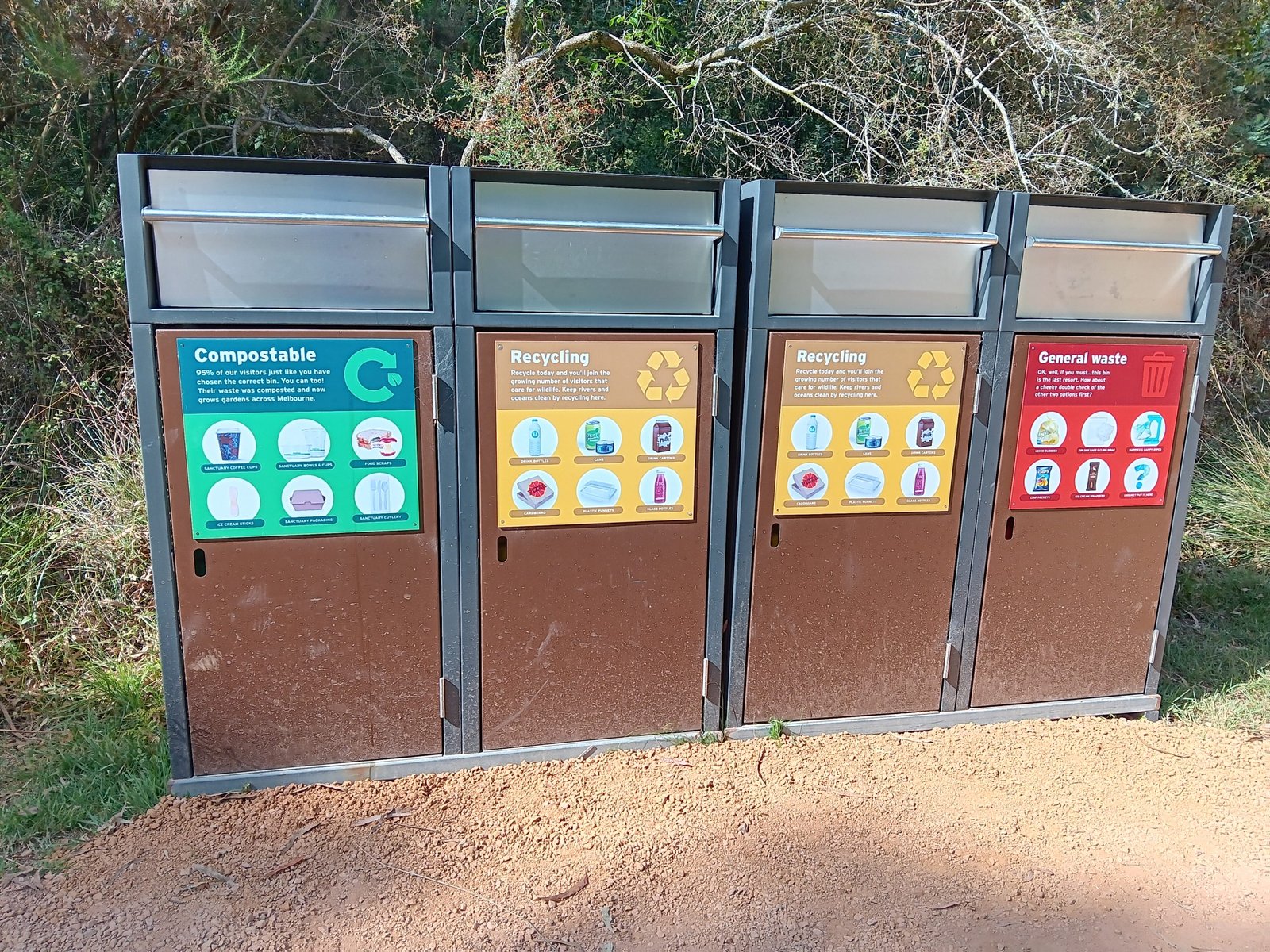
The situation highlights the broader need for a more circular economy in Australia, one that prioritises reducing waste at the source, improving domestic recycling capacity, and finding innovative ways to deal with hard-to-recycle materials.
The transition is crucial, not just for Tetra Paks but for the entire spectrum of recyclable waste that now needs to be processed within our borders.
Circular economy is a term for an economic model that aims to minimise waste and make the most of resources. It is different from the old fashioned linear economy where products are used and then discarded as waste and taken to landfill. In a circular economy, people aim to have a loop where we extend the lifespan of products as well as materials and resources.
In this model, we will aim to make products with longer lifespans, and if products break they will be repaired. Products will need to be made with the ease of repair in mind. Maintenance is also important. We also will aim to reuse products as much as possible, or their parts. Products can also be remanufactured and upgraded with time.
When products do reach their end of life, they will be recycled and made into new products.
Throughout the life of the product, we must be aware of and have efficient processes. This includes mindful production practices, waste management, and also collaboration between businesses, governments and consumers. These practices significantly decrease the need for virgin materials and make a lot less environmental impact. From the point of view of recycling, a circular economy would mean recycling infrastructure at scale.
Australia does have some very good looking goals in place for a circular economy in the future, which is very encouraging. However the reality is that we still have a long road before we come anywhere near these goals.
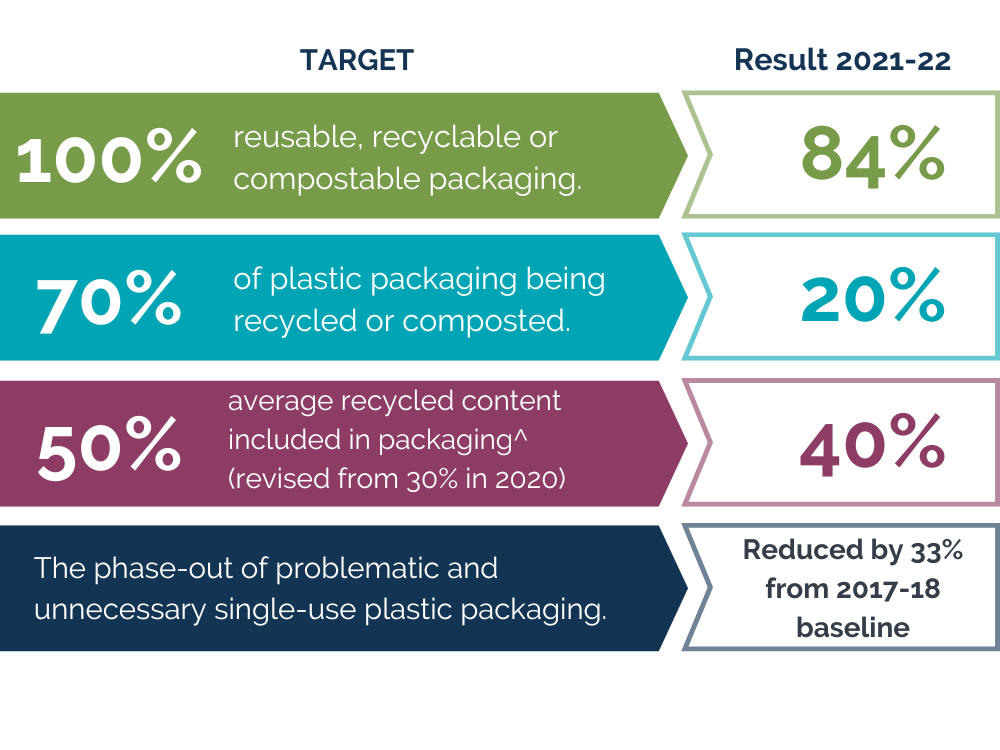
Unfortunately, many councils in Australia, especially rural ones, have no access to recycling whatsoever, and are only provided with a landfill bin.
In response to all of these challenges, Australia has committed to improving its recycling infrastructure. The government has introduced initiatives such as the 2020 National Waste Policy Action Plan, which aims to reduce the nation’s reliance on landfill and to build domestic capacity for recycling. There are also efforts under way to build more advanced recycling plants that can handle composite materials. However, the development of these facilities takes time, investment, and political will.
Australia’s growing focus on a circular economy and sustainable packaging solutions offers hope that, with time and investment, all materials will become more recyclable across the country. In the meantime, consumers and businesses alike are encouraged to reduce their use of complex packaging materials, and hard to recycle materials, where they can.
We’re Maria and Freddi, the duo behind Sustainaroo Travels. As passionate advocates for sustainable travel, we help fellow travellers explore the world responsibly, with tips and inspiration for eco-friendly journeys. Through our blog and travel guides, we aim to make it easier for everyone to enjoy adventures that are kind to the planet and the places they visit.